What Is SEO? A Plain Guide for Small Business Owners

- SEO is how your website shows up when customers search on Google — it puts you in front of people who already have a real need.
- SEO rests on three pillars: content that matches what people search for, technical quality (fast, https, mobile-ready), and authority from external references.
- Unlike ads, SEO builds slowly but lasts — the sensible move is to use both, especially while your site is new.
- Results typically become clear after four to six months; targeting specific, local keywords gets you there faster.
- You can start today: set titles on each page, test on your phone, check load speed, get on Google Maps, and write one helpful post.
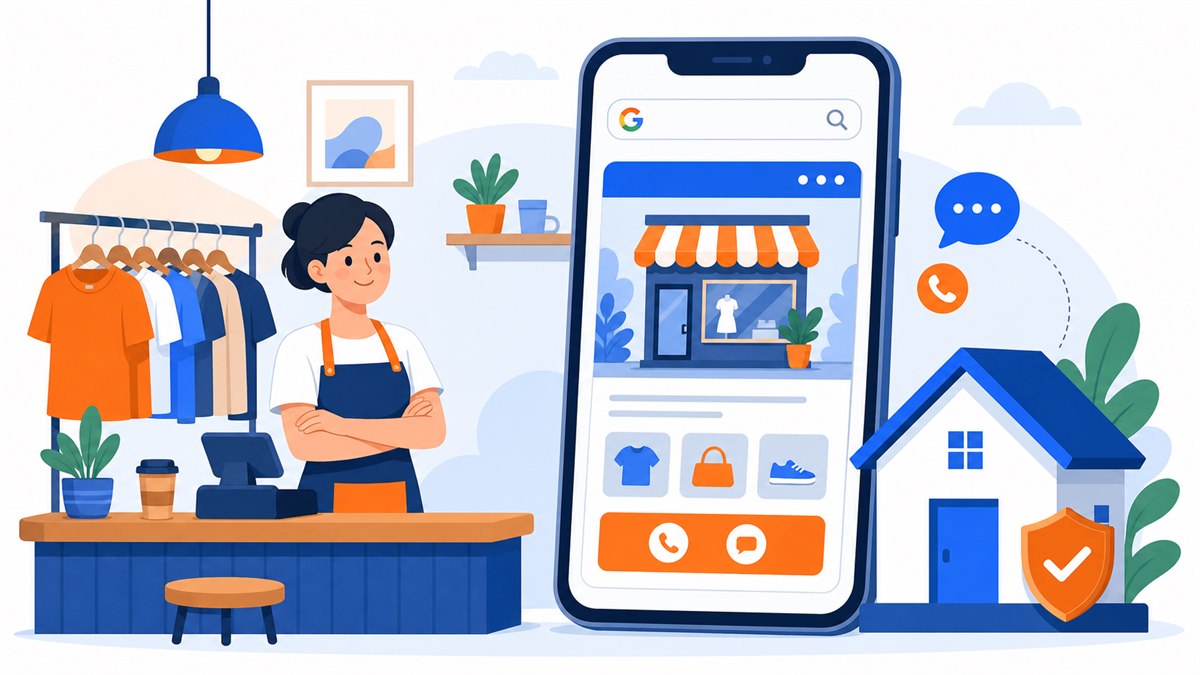
What is SEO, and why does everyone who builds websites keep talking about it? The short answer: it's how you get your website to show up when customers search on Google. When someone in your neighborhood types "pho near me" or "facial spa District 3," SEO is what puts your name in front of them at exactly the right moment.
Unlike paid ads, customers who find you through SEO are actively looking — they have a real need. This article is written for shop owners, café owners, and spa owners who want just enough understanding to act on, with no confusing jargon, and a clear list of things you can do today.
What is SEO? The simplest possible explanation
Think of Google as a giant concierge. A customer types something into the search box — say, "men's haircut Tan Binh" — and Google has to pick ten names to show on the first page. What is SEO? It's everything you do so Google believes your website deserves to be one of those ten.
Google grades every page on three basic questions: Does this page have what the customer is actually looking for? Is it easy to read, fast to load, and viewable on a phone? And do other people reference or link to this page? Answer those three questions well, and your ranking climbs.
Why SEO matters for small businesses
A new café in Da Nang might not be able to run paid ads every day. But if someone types "quiet café Da Nang" and the café shows up on page one, new customers walk in every day without spending a cent on ads. That's why SEO is worth the effort for small operators.
Most customers in Vietnam search before they buy. Before booking a table, before visiting a spa, before picking up a new outfit, they pull out their phone and type a few words. If you're not there, those customers go to the competitor down the street who already has decent SEO. This is the same reason small businesses and sole traders need a website from the start.
- Customers with real intent: someone who types "on-site AC repair" needs a technician right now, not just browsing.
- No cost per click: unlike ads, a page that ranks well can keep pulling in customers for months at no extra cost.
- Credibility: appearing on the first page of Google signals to customers that you're a serious option in your area.
The three pillars of SEO: content, technical, and authority
To keep it manageable, split SEO into three parts. You don't need to be great at all three immediately, but you should know what each one is responsible for.
1. Content: say what customers are searching for
Each page should clearly answer one specific need. A spa service page should have pricing, real photos, and a description of each treatment. A blog post titled "how to treat acne-prone skin at home" will draw exactly the people who care about that problem. Write for the reader first, place keywords naturally in the title and opening sentence, and never stuff them in artificially.
2. Technical: a clean, smooth-running site
Google dislikes slow pages and pages that look broken on a phone. Your site needs https (the small padlock in the browser bar), a clear title and description for each page, and fast load times. These basics are covered in the essential on-page SEO checklist for new websites, which is worth going through from day one.
3. Authority: other people talking about you
When a local news site, a food blog, or a trade group links to your website, Google treats it like a personal recommendation. For businesses with a physical address, listing your shop on Google Maps is one of the most effective ways to build credibility quickly.

SEO vs. paid ads: what's the difference?
Many shop owners mix these up. Ads let you pay to jump to the top immediately — stop paying, disappear immediately. SEO builds your position gradually, and once you're there, you hold it for a long time without paying for each click.
- Facebook or Google ads: you get customers almost immediately, but the moment you stop the budget, so does the traffic. Best for grand openings, flash sales, and short campaigns.
- SEO: slower at first — a few months before results are visible — but over time each customer costs less and the results hold much longer.
The smart approach is to use both. While your site is new, run a small ad budget to get customers now; at the same time, do SEO so that a few months down the road customers find you on their own, without burning ad spend every day.
Ads are renting a storefront on a busy street — you pay monthly or you're out. SEO is gradually buying the building yourself.
How long does SEO take to show results?
This is the question owners ask most, and the realistic answer is a few months. With a brand-new website, don't expect to reach page one in a week or two. Google needs time to visit, read, and evaluate your pages.
Typical milestones: in the first month Google starts crawling your pages; around months two and three you'll see a few low-competition keywords begin to move; from months four to six, if you've been consistent, the results become clear. The more popular and competitive the keyword, the longer it takes.
SEO steps you can take today
You don't need to hire anyone. There are a handful of things you can do yourself this afternoon to start improving how Google sees your site.
- Set a title and description for each page: give every page its own title containing what customers actually type. "Men's Haircut — Tan Binh" beats just "Home."
- Check the site on your own phone: open the site on your actual phone and see whether the text is readable and the buttons are easy to tap. Most customers in Vietnam browse on mobile, so this is non-negotiable.
- Check your load speed: visitors typically leave if a page takes more than about 3 seconds. For fixes, read page load speed: why it matters and how to improve it.
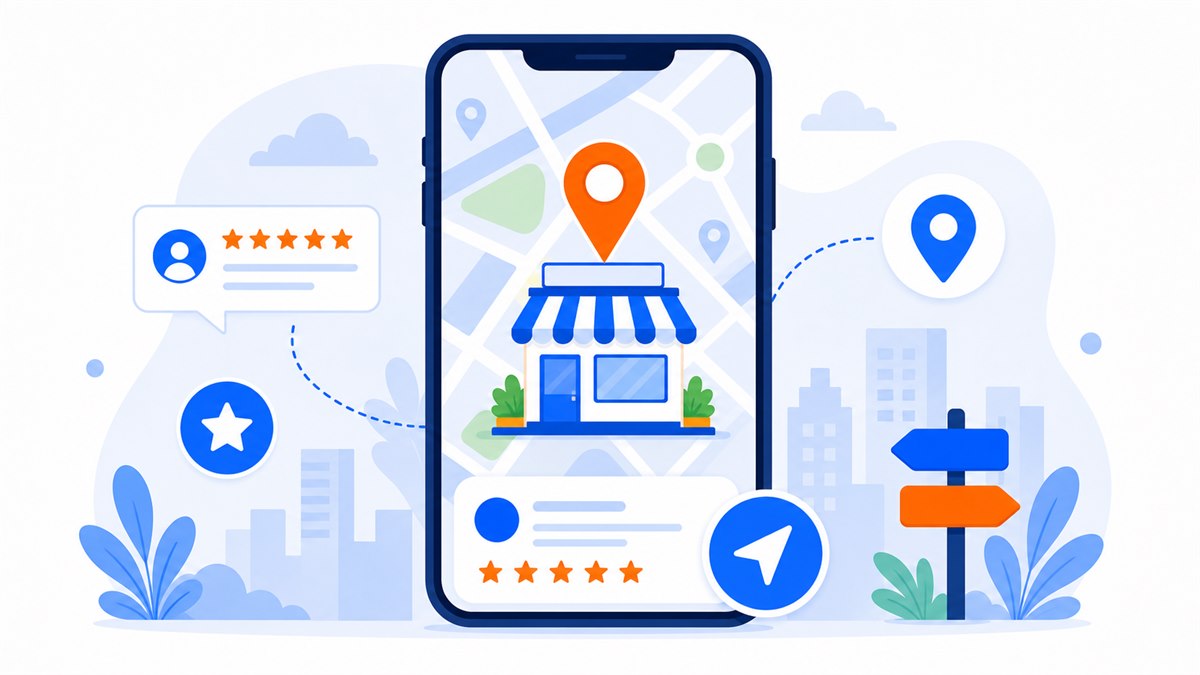
- Create a Google Maps listing: if you have a physical address, add it to Google Maps with your address, opening hours, phone number, and real photos.
- Write one useful post: answer a question customers ask you all the time — for example, "how often should you wash your hair" for a hair salon. One solid post can bring in visitors for months.
The hardest part for beginners isn't the techniques — it's having a properly built website from the start: fast-loading, with https, viewable on mobile, and with proper title and description fields on every page. A site built right from the beginning is far easier to grow with SEO than one where you're patching problems one by one later.
Frequently asked questions
What is SEO in simple terms?
SEO is the set of things you do so your website shows up when customers search on Google. The goal is that when someone looks for your product or service, they see your name on page one — not a competitor's.
Does SEO cost money?
Many basics you can do for free: setting page titles, writing useful posts, creating a Google Maps listing. The main costs are your time and having a well-built website from the start so Google can evaluate it fairly.
How long does SEO take to rank on Google?
Usually a few months. For a new website, low-competition keywords can start to move after two to three months; popular keywords take longer. Targeting specific, location-based phrases gets you there faster.
Should I do SEO or run paid ads?
Both complement each other. Ads bring customers right away but stop the moment you pause spending; SEO is slower but compounds over time and costs less per customer. When starting out, run modest ads while doing SEO in parallel.
What should a new website do first for SEO?
Make sure the site loads quickly, has https, looks good on mobile, and has a clear title and description on every page. Then create a Google Maps listing if you have a physical address, and write a few posts answering questions customers ask you.
Need a professional website or landing page?
Web Trong Ngày delivers in 24 hours, all-in for $40 — preview the demo first, pay only when you are happy, own it for life.