
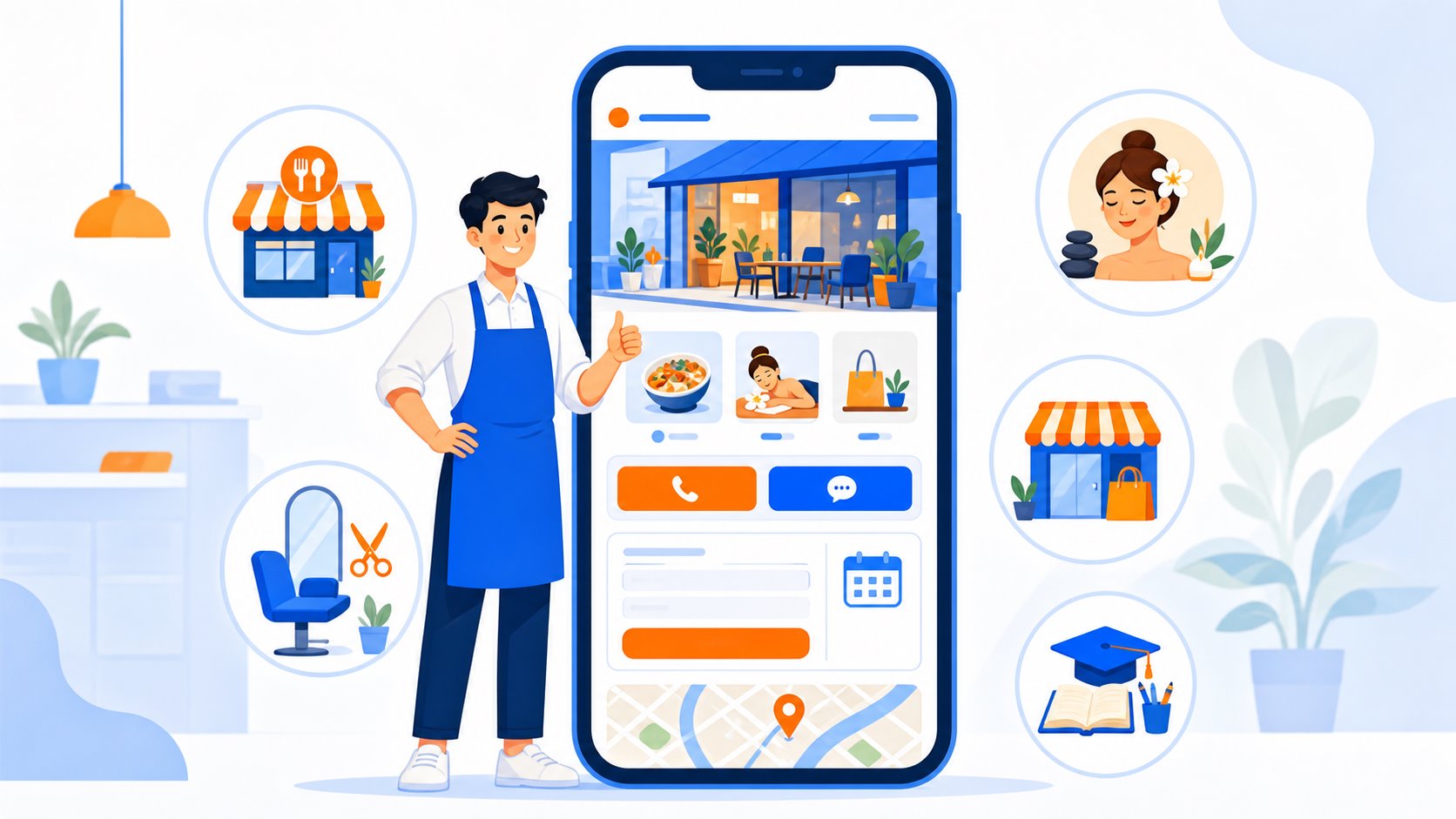
Website for Household Businesses: What to Prepare, What It Costs, and How to Start
A household business should start with a clear mobile-friendly page: main services, prices, address, opening hours, trust signals and easy contact channels.
Clear, practical guides on websites, landing pages, SEO and selling online — written for shop, café and small business owners. Free to read, ready to apply.
A household business should start with a clear mobile-friendly page: main services, prices, address, opening hours, trust signals and easy contact channels.

When ads need to go live fast, the landing page does not have to be complex. It must match the offer, load quickly, make contact easy and measure incoming leads.

A small shop does not need to start with a complex website. A clear mobile-friendly page with key products, contact buttons and a short form is often enough for customers to check and message.
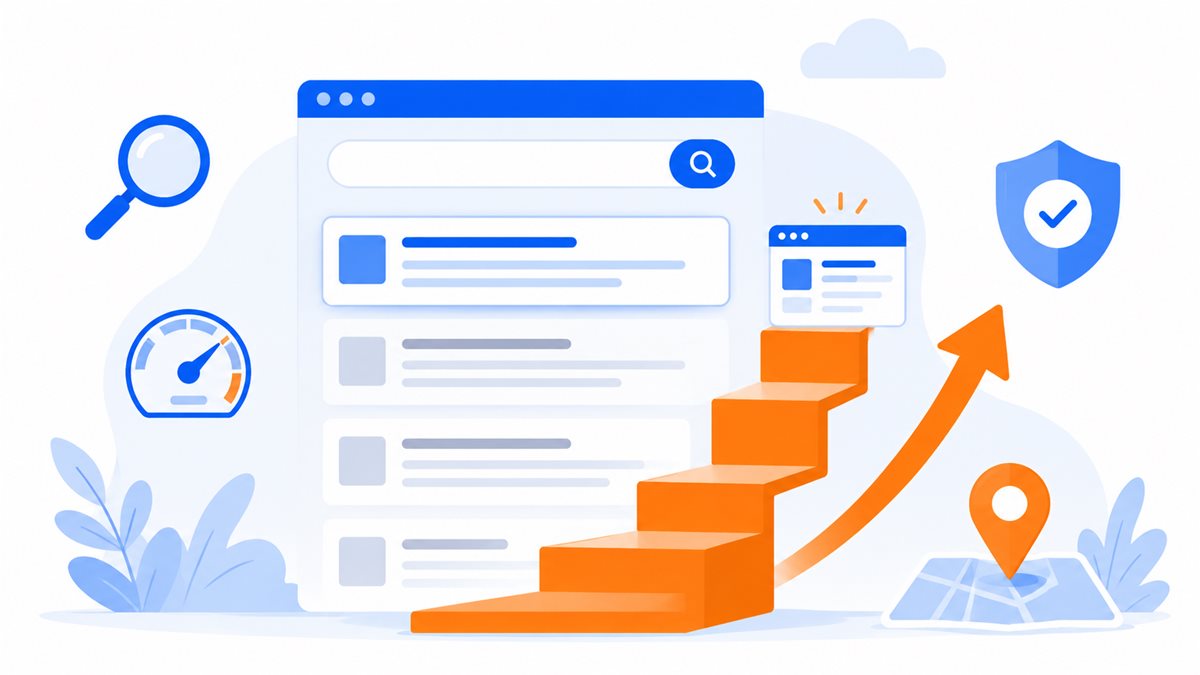
There's no shortcut to the top of Google, but there is a process to follow. Five steps — from keywords, technical and content optimization, to building authority and holding your ranking — with a realistic timeline and things you can do today.
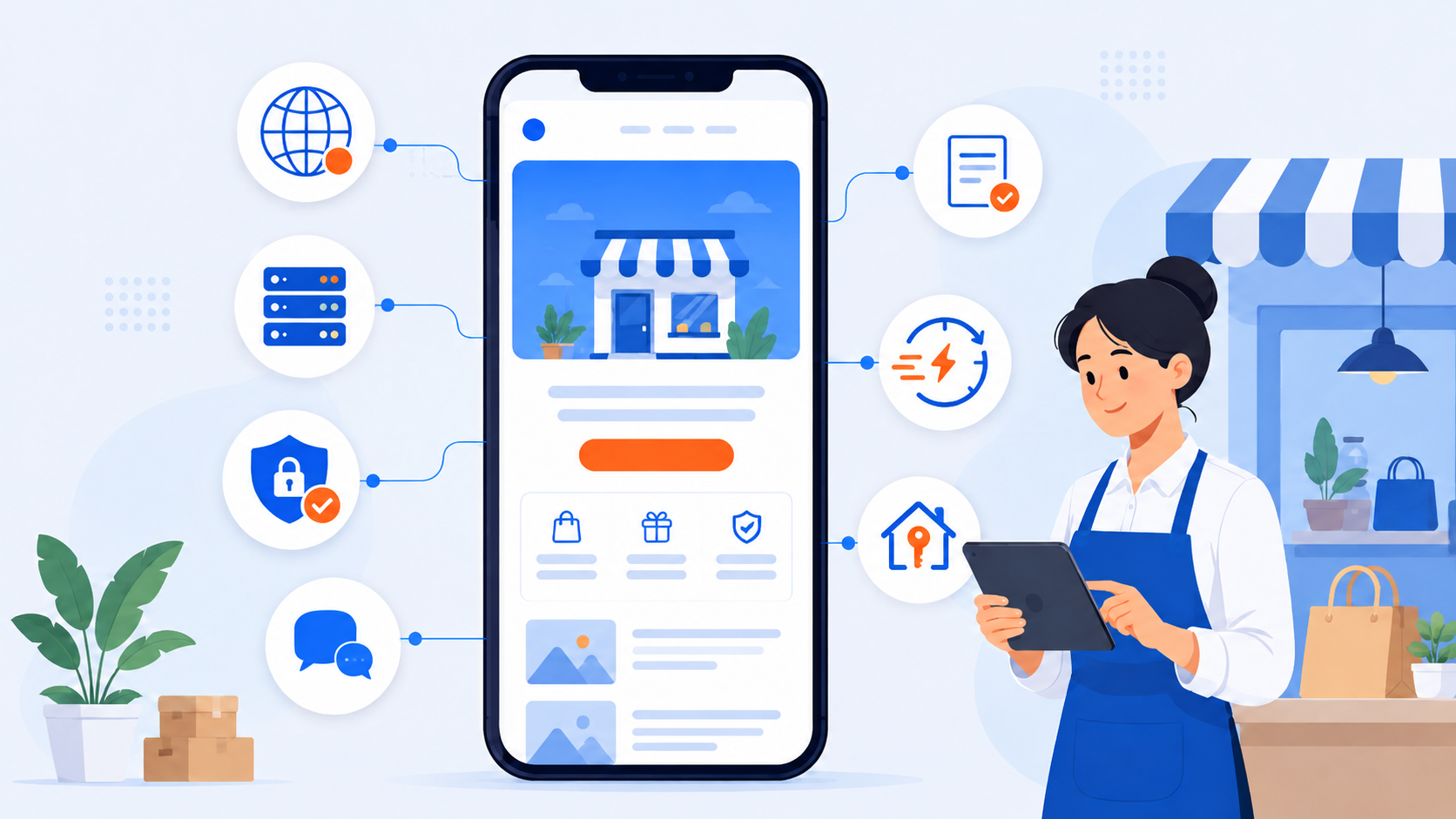
What a $40 website should include, which fees often appear later, and when a higher plan makes more sense.

New websites are quiet because they are not indexed yet, lack content that matches search intent and have no channels sending visitors. The durable traffic sources usually cost less than ads.
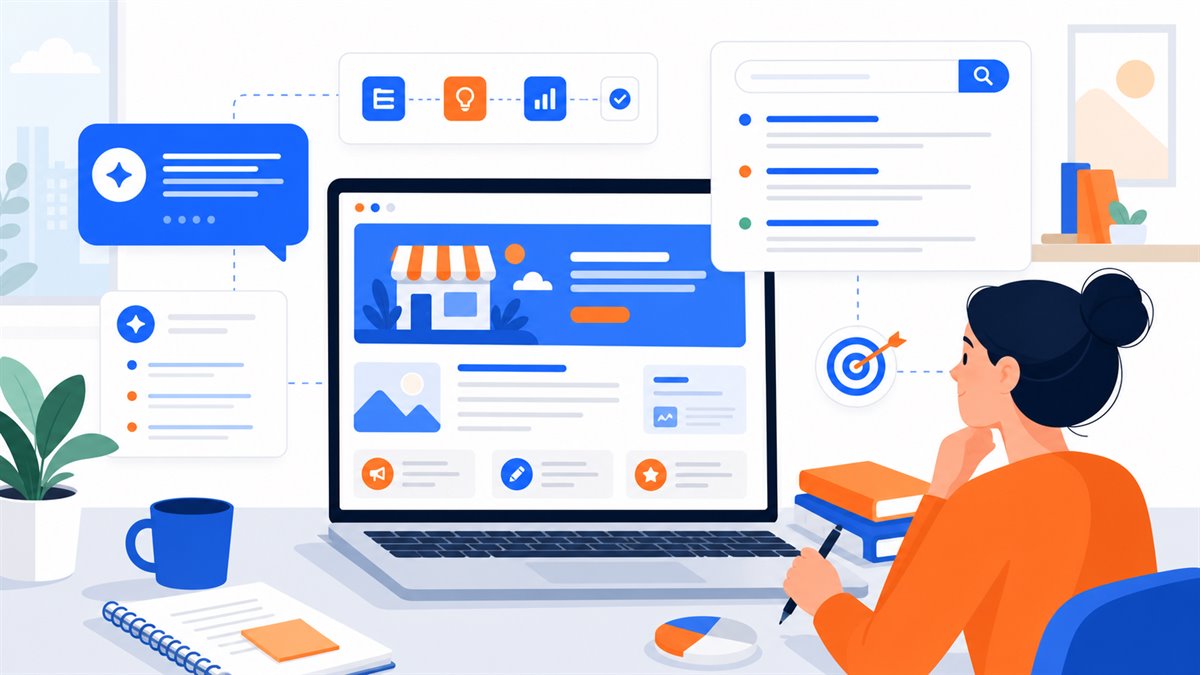
AI can help with ideas, outlines, drafts and content structure. To earn lasting traffic, the final page still needs real data, real experience and human review.
A plain-language explanation of what a landing page is: how it differs from a homepage, the common types, when to use one, and what a good one costs.

What a website actually costs, why two quotes for the same job can differ by ten times, and which hidden fees tend to get buried in the price.
Shop owners, café and spa owners often wonder: is it worth spending money on a website when Facebook is already working? Real examples and a simple path forward.
A simple explanation of what SEO is, why it matters for small shops and cafés, and the concrete steps you can take today to help customers find you on Google.

A landing page that closes sales isn't lucky — it's structured right. Here's the layout, section by section, with examples for shops, restaurants, and spas.

Landing page and website sound similar but using the wrong one is a costly mistake. Here's when to build each.
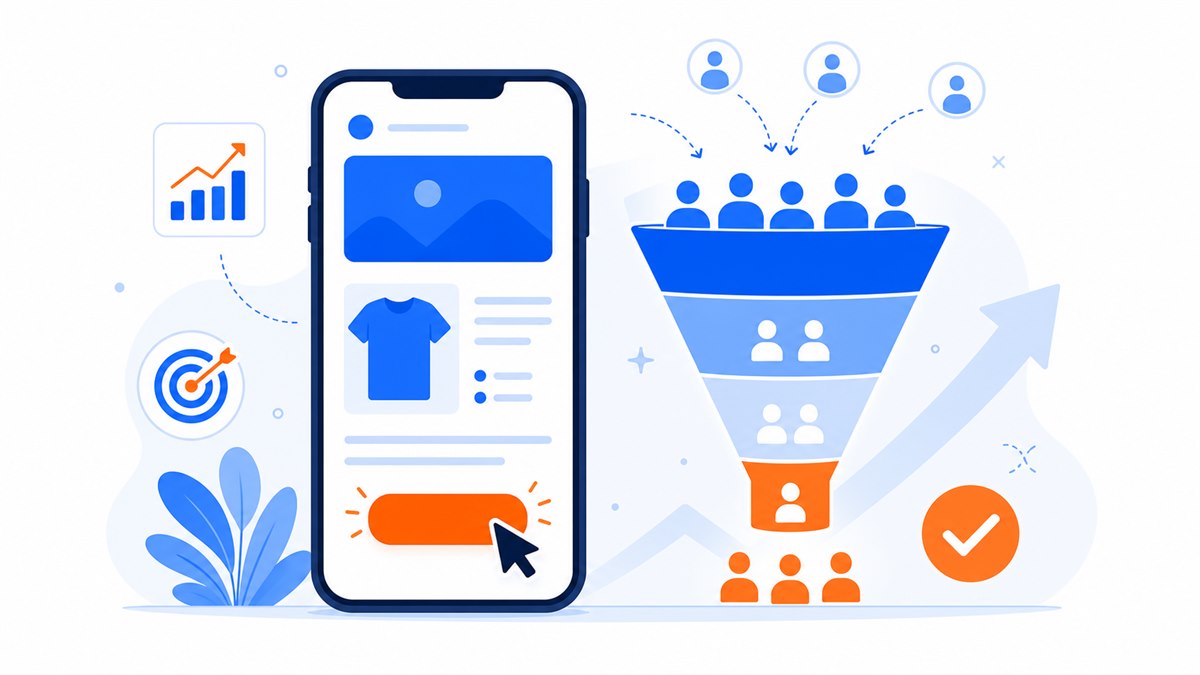
Getting traffic but not getting leads? This article pinpoints the spots that lose customers and shows you how to fix each one so your conversion rate climbs.

A step-by-step guide to writing each section of a sales page so visitors finish reading and want to reach out — from headline to benefits, proof, and the button.

A button with the wrong text or placed in the wrong spot can cost you orders even when the rest of the page is great. Here is how to write and position call-to-action buttons so visitors actually click.
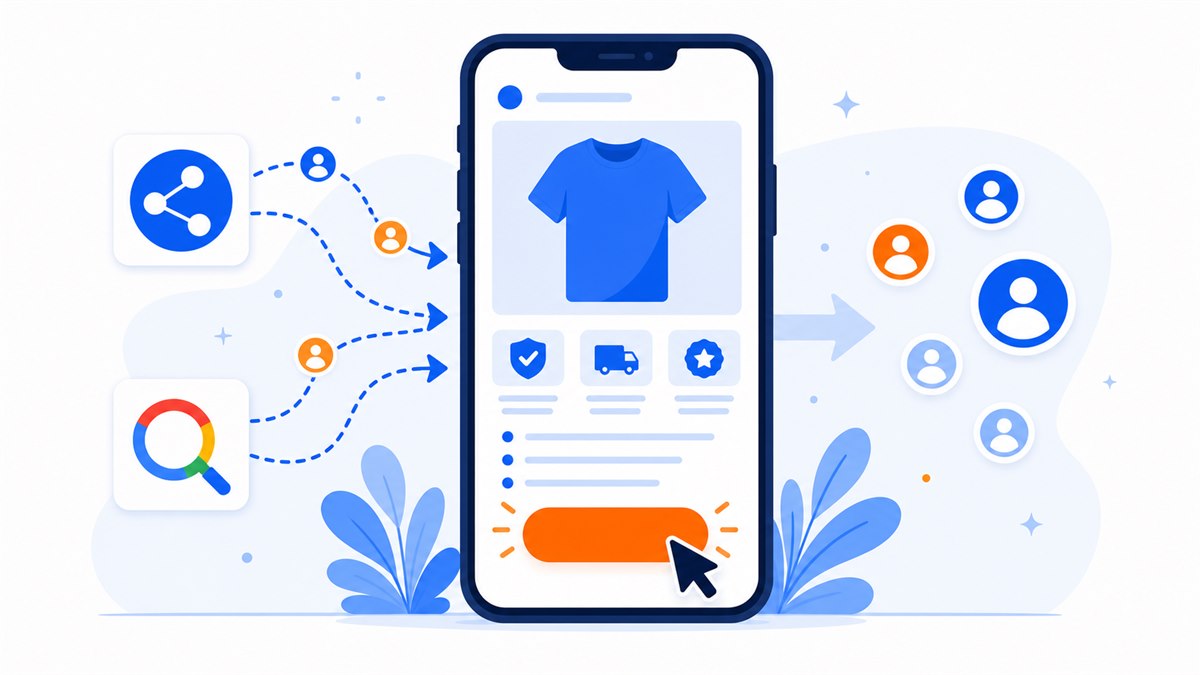
Spending money on ads but visitors bounce the moment they arrive? The problem is usually not the ad — it's the page people land on. Here's how to build an ad landing page that turns each click into more orders.

Torn between building your own site on a drag-and-drop platform or handing it off to a designer? This article breaks down the real cost, time, and effort behind each option so you can choose the one that fits your business.
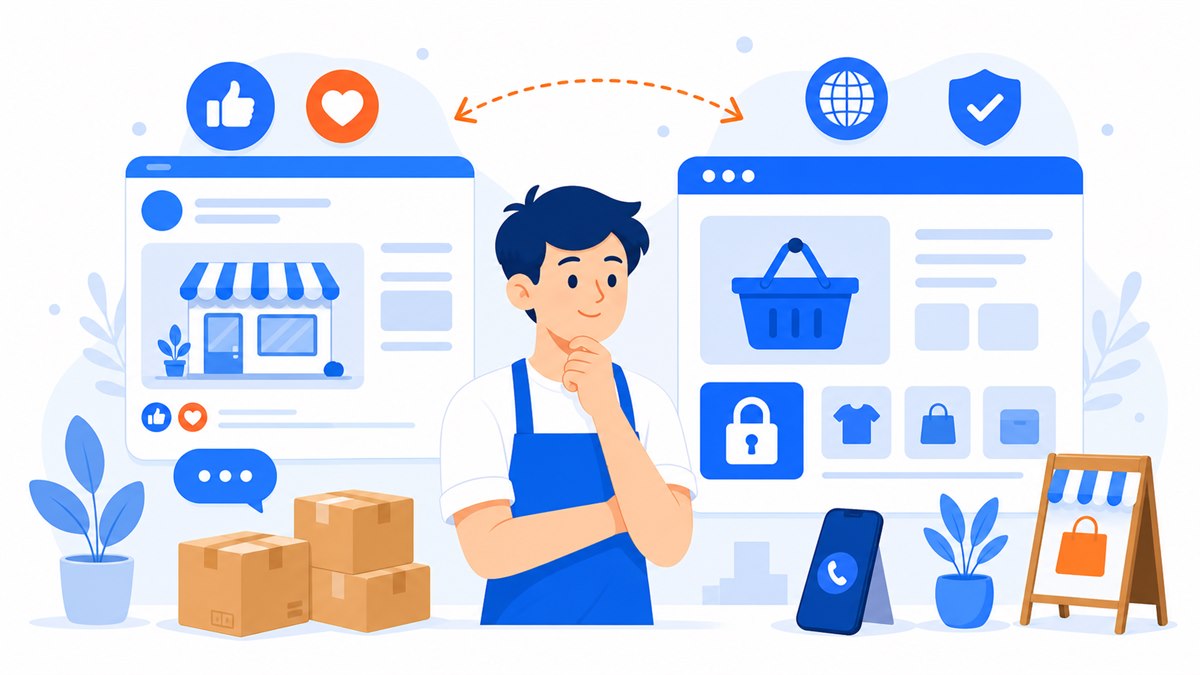
Already selling well on your Facebook page? Here is when adding a website makes sense, what fanpages can't protect you from, and how to connect the two.
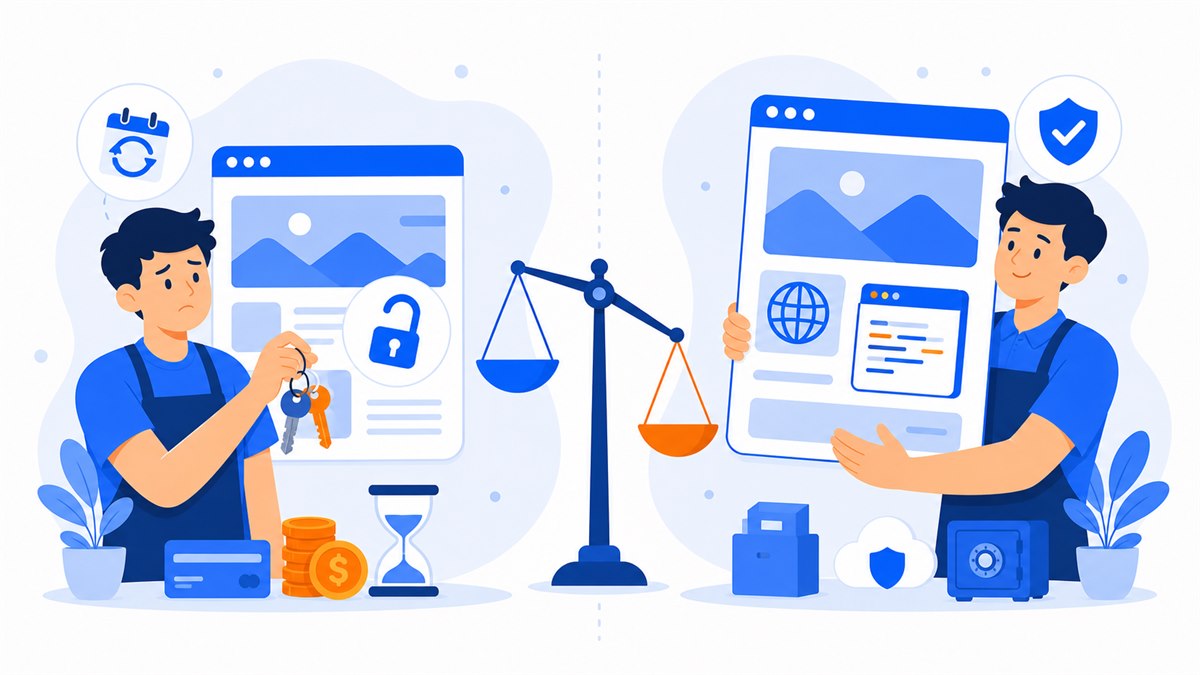
A monthly website subscription feels affordable at first. But add up 1-3 years of fees and the risk of losing your site when you stop paying, and the math looks different.
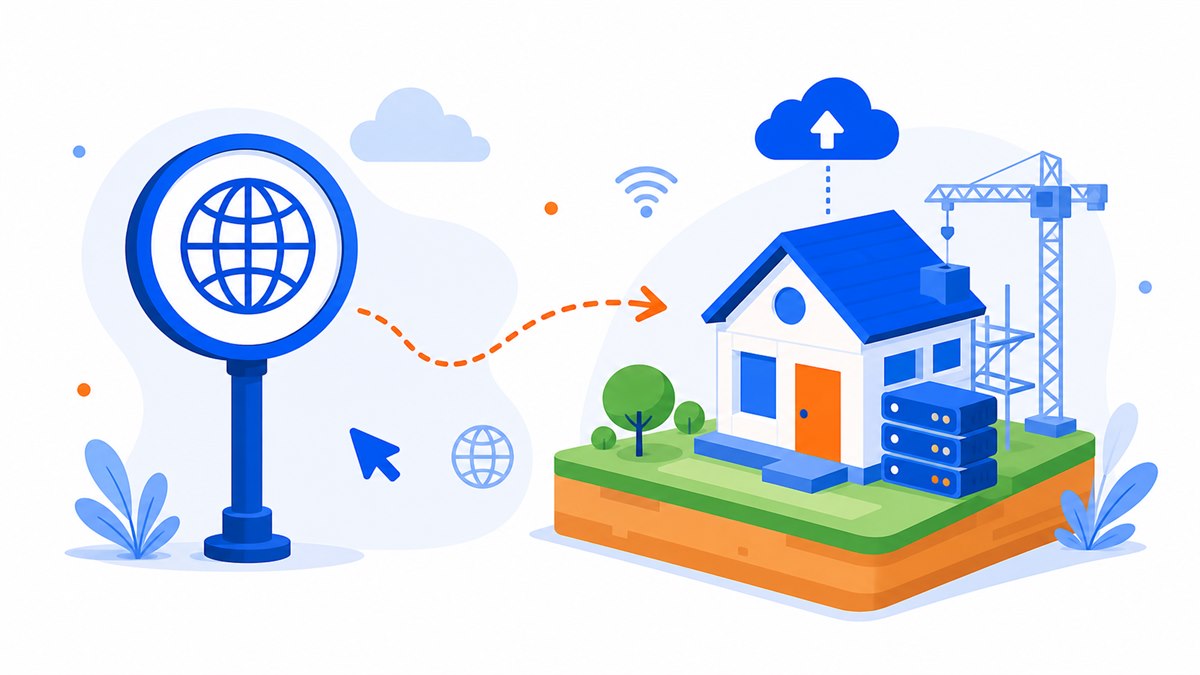
A plain explanation of domain names and hosting using a home-address analogy, with tips on picking a good domain name, choosing .com vs. other extensions, annual costs, and why ownership matters.
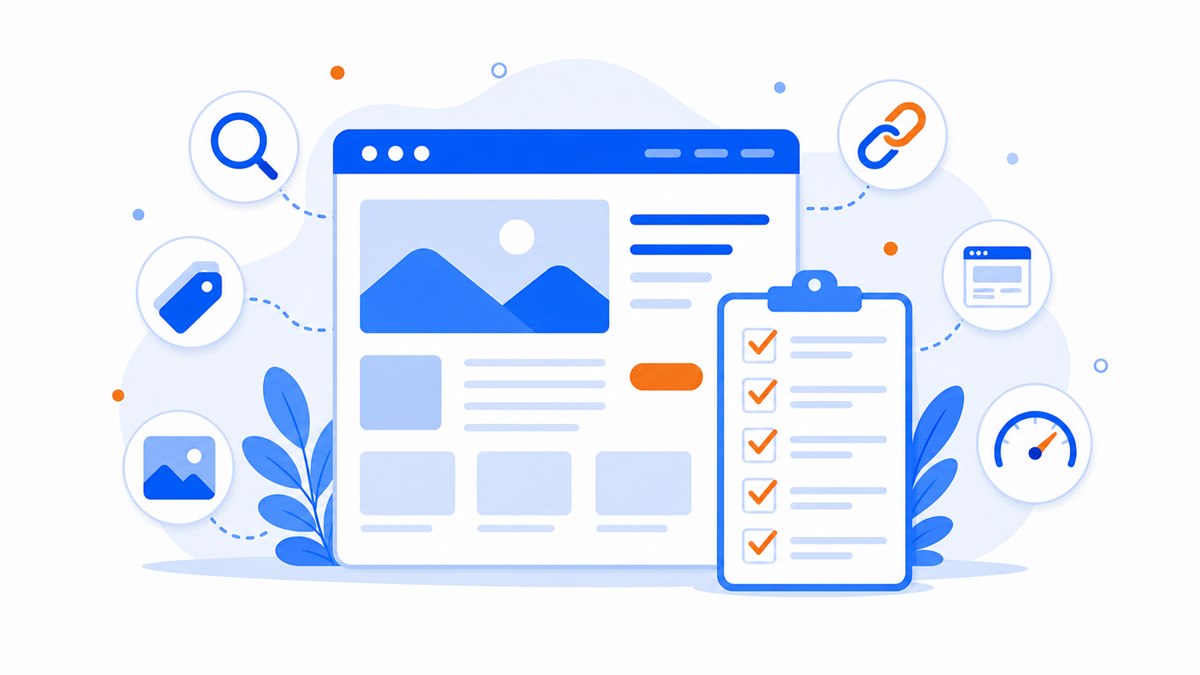
A practical on-page SEO checklist you can work through right after your site goes live: page titles, meta descriptions, H1-H2 structure, URLs, image alt text, page speed, and internal links.
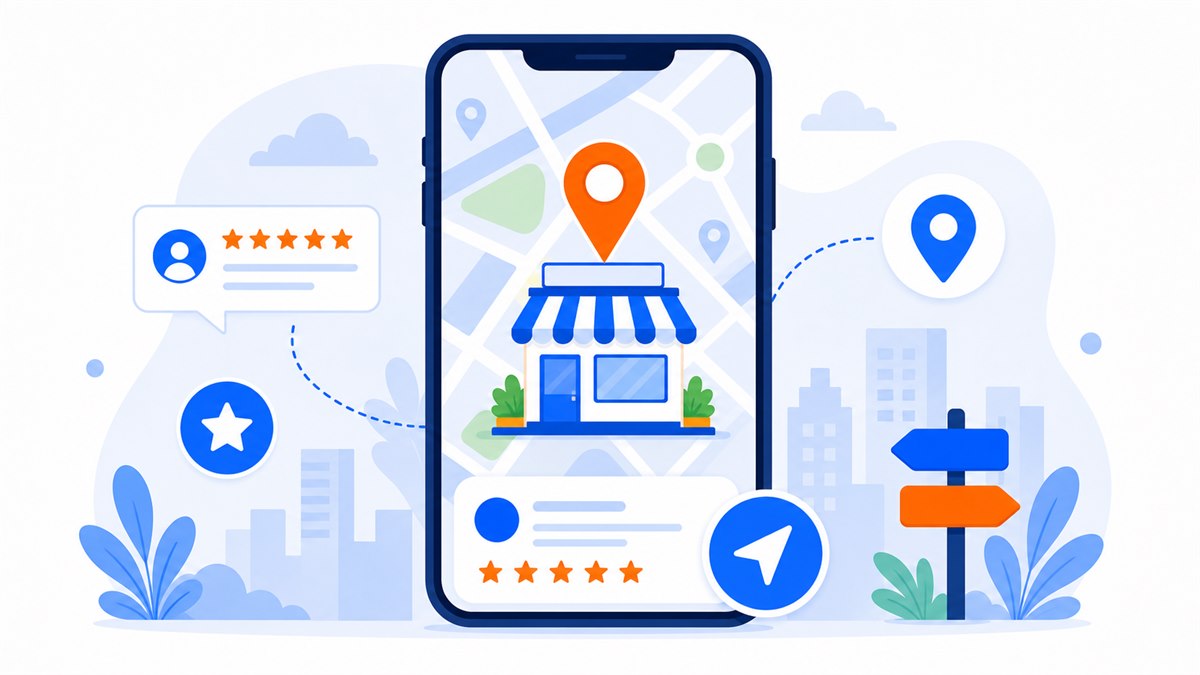
A customer is standing 300 feet from your shop and can't find it because you're not on Google Maps. Here's how to create and optimize your profile so you show up exactly when someone nearby is looking.
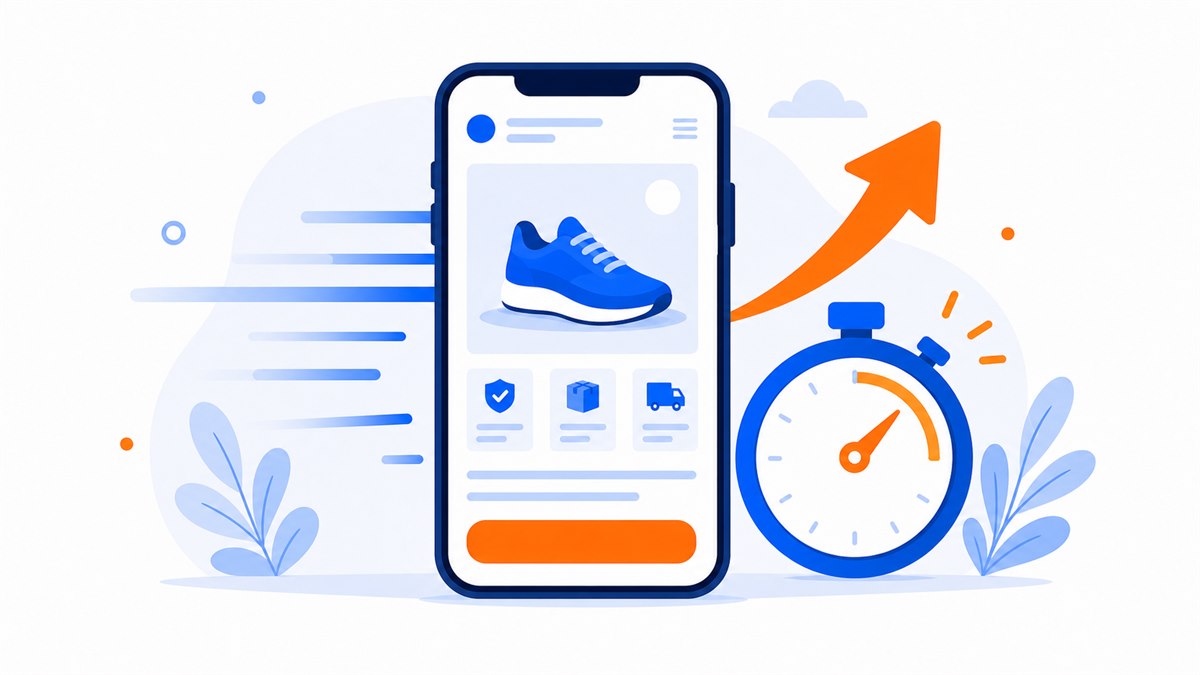
A slow site drives visitors away and hurts your Google ranking. Here are the most common culprits and how to make your pages lighter and faster — no technical background required.
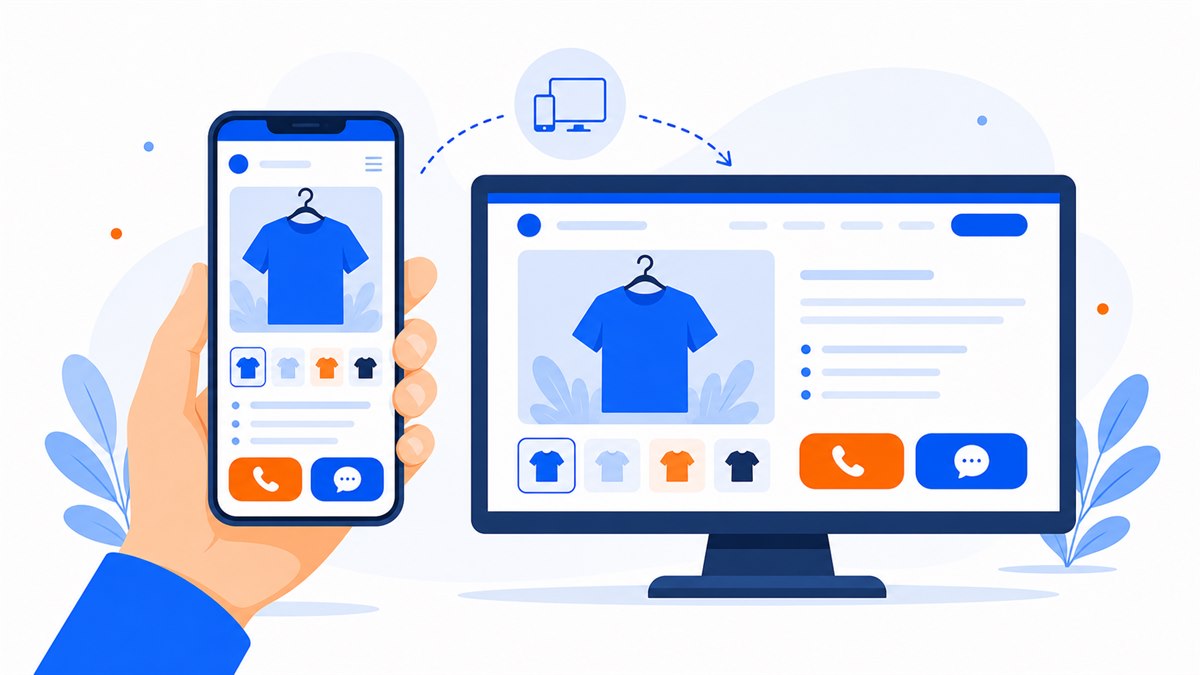
Most of your customers view your website on a phone. If the text needs zooming, buttons are hard to tap, or forms are a chore to fill out, they leave immediately. Here is how to spot the problems and fix them.
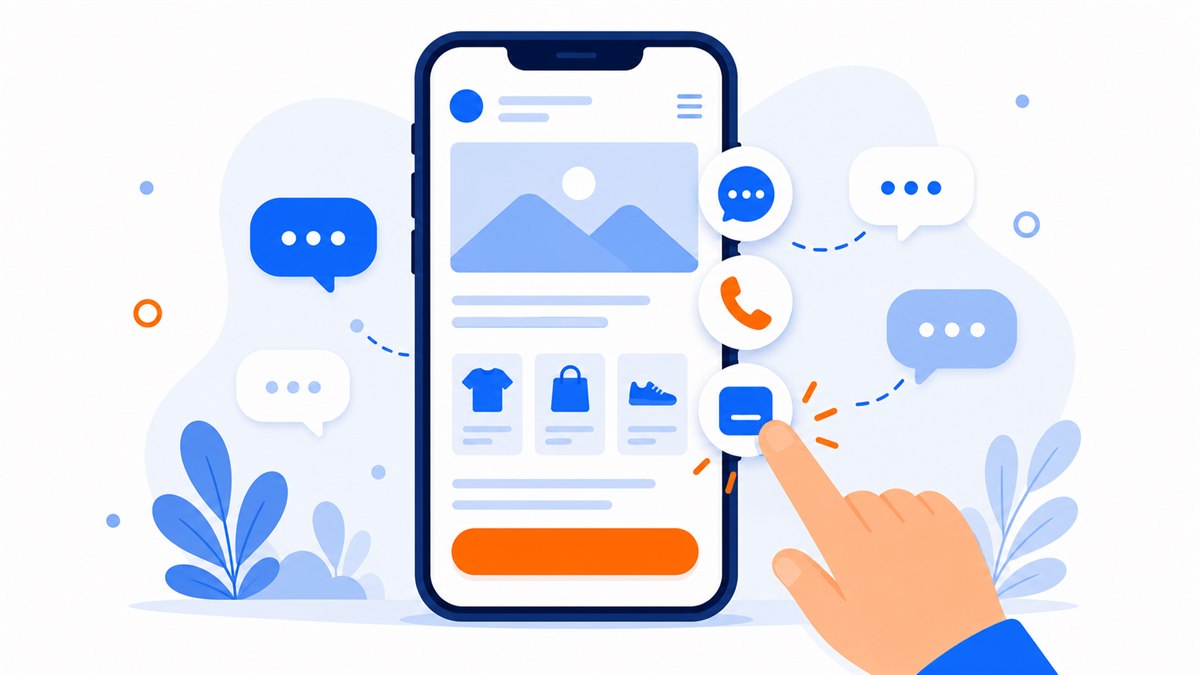
Vietnamese shoppers dislike calling strangers and won't fill out long forms. They want to tap once and start chatting. Here's how to integrate Zalo and Messenger alongside a call button and contact form so customers can reach you instantly.
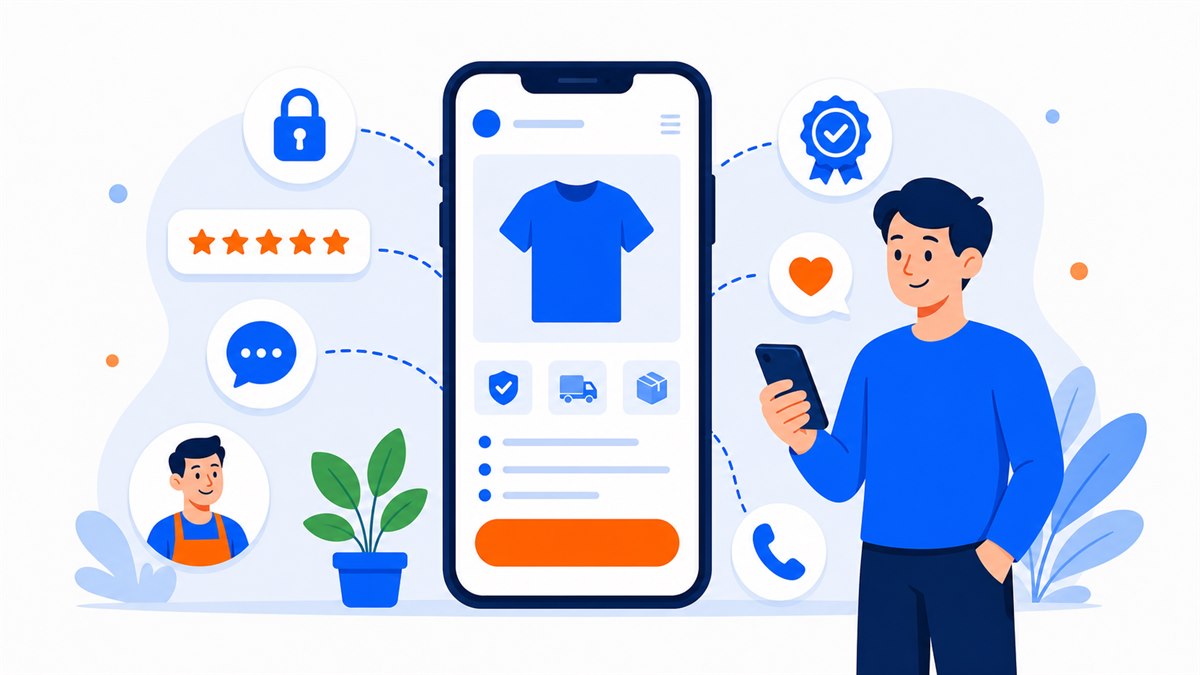
A visitor browses your site, checks the price, and leaves without sending a message. Usually the product isn't the problem — they just don't trust you yet. Here are 8 trust signals that fix that.