What Is a Landing Page? A Plain-English Guide for Beginners
- A landing page is a single web page aimed at one visitor action, unlike a multi-page website that presents the whole brand.
- Three common types: sales, lead-capture and event pages. Don't cram all three into one page.
- Use a landing page when running ads, launching a short-term offer, collecting contacts, or when you don't have a website yet but need to sell now.
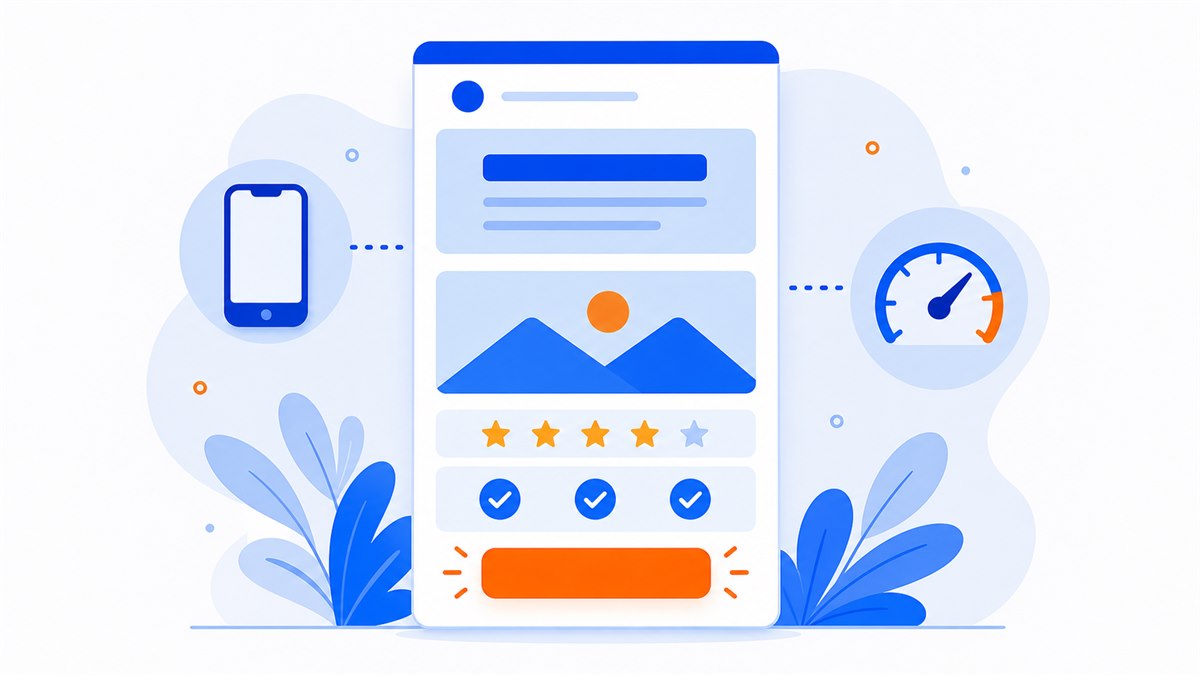
- A good page needs a clear headline, real photos, trust signals, one prominent call-to-action, fast loading and good mobile display.
- When asking the price of a landing page, compare the upfront cost, delivery time, domain, hosting, ownership and renewal fees after year one.
You run a Facebook ad for one jacket, someone taps it, and they land on a busy homepage full of other things — then they leave. This is the moment to understand what a landing page is. In short, a landing page is a single web page focused on one job: guiding a visitor toward one action, such as leaving a phone number or placing an order.
Unlike a sprawling multi-page website, a landing page is like a salesperson standing in the right spot, saying the right thing, and closing. This article explains the idea in plain terms, with examples from a pho restaurant, a clothing shop and a spa, so you know when to use one and what a good one needs.
What is a landing page? A simple definition with examples
A landing page is a single web page built to make a visitor do one thing. That thing might be filling in a sign-up form, tapping a call button, messaging on Zalo, or placing an order. It is called a landing page because it is where a visitor lands after tapping an ad, a link in a Facebook page's bio, or a message.
Picture this: a spa runs an ad for a $9 skincare package. Someone taps it and arrives on a page about that one $9 package only — before-and-after photos, the price, reviews from past clients, and a single button: Book now. There is no long service menu, no price list of 30 other treatments. The whole page serves one goal. That is a landing page.
A website tells the story of the whole shop. A landing page sells one thing, to one kind of customer, at one moment.
Because it is focused and to the point, a landing page usually converts far better than dropping visitors onto a homepage. Fewer paths mean fewer distractions, and you can easily count how many people left their details.
How is a landing page different from a homepage or a regular website?
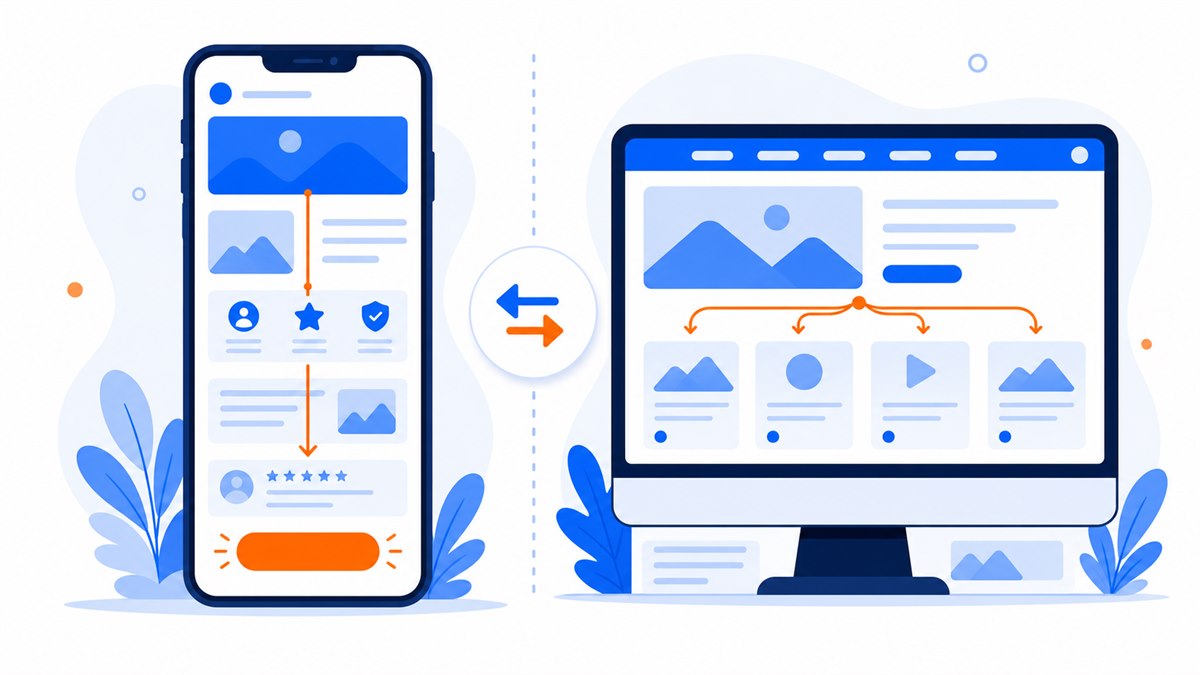
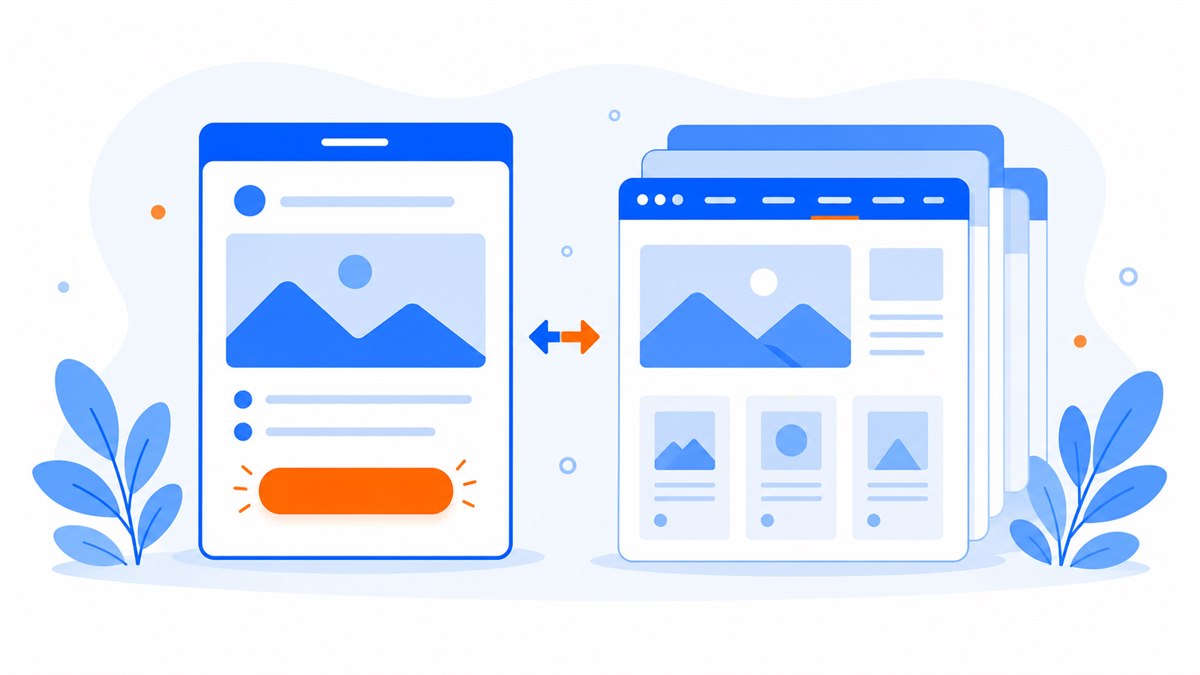
Beginners often confuse a landing page with a homepage. The biggest difference lies in the goal and the number of choices you give a visitor.
- Goal: A website covers the whole brand (about, products, news, careers). A landing page aims at one action.
- The visitor's path: A homepage has many things to click, so visitors wander freely. A landing page has one road leading to a button.
- Traffic source: A homepage greets people from Google and from those typing your brand name. A landing page is usually tied to a specific ad campaign.
- Measurement: A landing page is easy to measure for conversion rate, because the whole page has one job.
A website can contain several landing pages inside it. A pho restaurant has a general website, but when it adds home delivery it builds a separate landing page just for that service. If you want a closer look, see how a landing page differs from a website and when to use each to pick the right one for your situation.
What types of landing pages are there?
Although they are all single pages, each type of landing page serves a different purpose. The three you will meet most often:
1. Sales landing page
This is the most common type for shop owners. The whole page revolves around one product or a bundle, with real photos, the price, an offer and an order button. A clothing shop selling a winter jacket builds a separate sales landing page for that item, instead of making customers dig through the whole website. To build the right layout, see the structure of a high-converting sales landing page.
2. Lead-capture landing page
The goal is not an immediate sale but getting the visitor's contact details. An English center builds a Get a free learning-path consultation page; the visitor leaves a name and phone number, then a consultant calls back to close. This type has a short form and a clear invitation.
3. Event or launch landing page
Used for openings, product launches, new classes or training sessions. The page states the time, place, early-bird perks and a Register button. A hair salon opening a new branch can build a first-7-days offer page to draw nearby customers.
When should a shop or restaurant owner use a landing page?
You don't always need a landing page. But in a few situations it clearly pays off:
- When you run Facebook or Google ads: Someone who taps an ad needs to see exactly what they just saw, not a generic homepage. A dedicated landing page keeps your ad money from going to waste.
- When you launch a short-term offer or promo bundle: For example, a spa running a 3-day discount — a separate page creates more urgency.
- When you want to collect contacts to nurture later: A café building a regulars list can make a membership-card sign-up page.
- When you don't have a website yet but need to sell now: A simple landing page is the fastest way to get a proper place to close orders, better than selling through Facebook comments.
On the other hand, if you need to present many services in full, with a blog and several categories, a multi-page website makes more sense. If you're wondering whether selling on Facebook alone is enough, is selling on Facebook enough: website vs. Facebook page will help you see clearly.
What does a good landing page need?
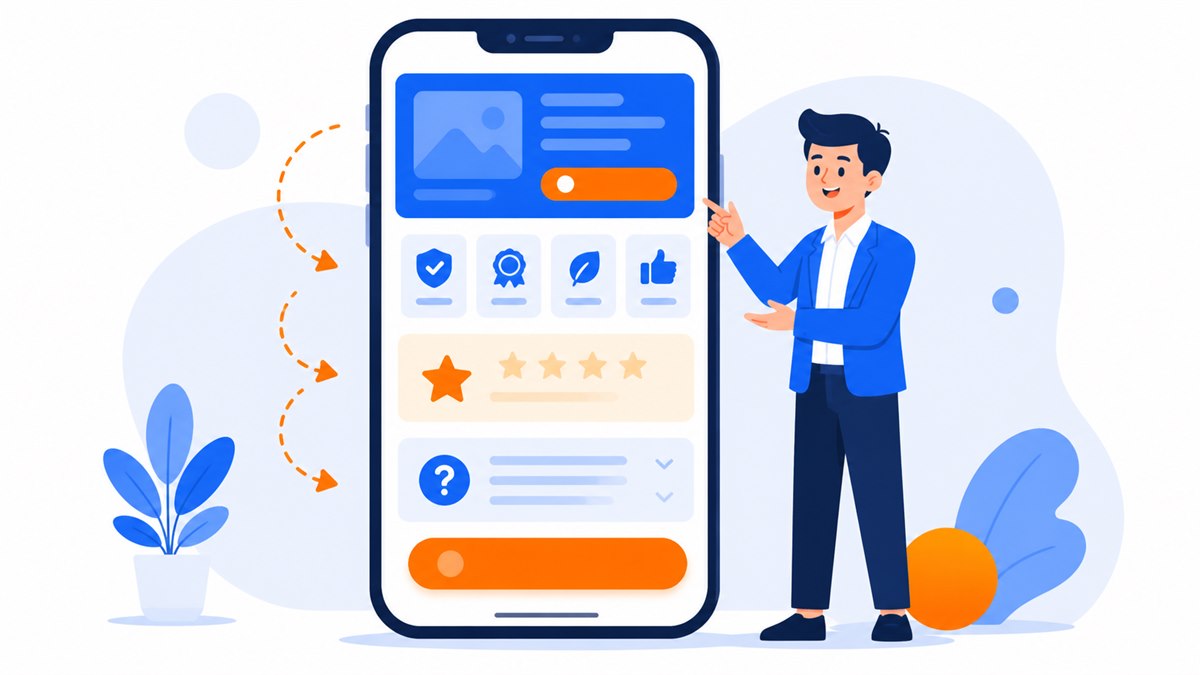
An effective landing page doesn't need bells and whistles. It needs the parts that help a visitor understand quickly and feel safe tapping the button:
- A clear headline at the very top: Tell visitors what they get, e.g. Pho delivered to your door in 30 minutes, free delivery on orders over $4.
- Real photos: Shots of the actual food, products and space are always more convincing than generic stock images.
- Reasons to choose you: A few bullet points on what sets you apart, with numbers if you have them (how many customers served, how long the warranty).
- Trust signals: Reviews from past customers, real feedback screenshots, a money-back promise. See more on the trust signals that make customers comfortable buying online.
- A prominent call-to-action button: One button, a bold color, clear text like Book now or Message us for advice.
- Fast loading and good on mobile: Most visitors arrive on a phone, and people leave easily if a page takes more than about 3 seconds.
Once you have these parts, the next job is to tune the page so more visitors tap the button. Conversion rate optimization for landing pages goes deeper into how to test and improve each part.
How much does a landing page cost, and how long does it take?
This is the question shop owners ask most. On the market, a landing page usually costs around $80 to $200 and you wait about 3 to 5 days. With a monthly drag-and-drop platform, the cost lands around $8 to $36 a month, but when you stop the subscription the page usually goes offline or gets limited. On top of that, a domain runs about $12 to $32 a year and hosting around $40 a year.
So when you ask for a quote, ask for a clear breakdown: does it include the domain, what about first-year hosting, is there SSL/https, is it mobile-ready, does it connect Zalo, Messenger, Facebook, a tap-to-call button and a contact form? These items decide whether the page is usable right away or just a design mockup.
- See the demo first, pay only when you're happy.
- 2 free revision rounds.
- Full ownership handed over — both source code and domain.
- Pay once, no monthly fees. Lifetime technical warranty.
To compare the cost of different kinds of websites, read a realistic website pricing breakdown. If you need more than one page, consider a multi-page or e-commerce website instead of forcing everything onto one landing page.
Frequently asked questions
What is a landing page, in short?
It's a single web page built to make a visitor do one thing, like leaving a phone number or placing an order. It focuses on a single goal, so it distracts visitors less.
Is a landing page the same as a website?
Not quite. A landing page is a single page aimed at one action, while a website is a collection of pages presenting the whole brand. A website can contain several landing pages inside it.
How long does a landing page take and how much does it cost?
On the market it's usually around $80 to $200 and a 3-to-5-day wait. Whether the price is fair depends on whether it includes the domain, hosting, SSL, mobile-readiness, a contact form, chat buttons and source-code ownership.
If I don't have a website yet, should I build a landing page first?
Yes, if you need to sell or collect leads now. A simple landing page gives you a better place to close orders than Facebook comments, and you can still upgrade it into a full website later.
How does a sales landing page differ from a lead-capture page?
A sales landing page leads visitors to buy a product right away. A lead-capture page only collects contact details to advise and close later, usually through a short form.
Need a professional website or landing page?
Web Trong Ngày delivers in 24 hours, all-in for $40 — preview the demo first, pay only when you are happy, own it for life.