Landing Page vs. Website: What's the Difference and When to Use Each
- A landing page and a website differ in goal: one page focused on one action versus multiple pages covering the whole brand.
- Use a landing page for ads or a specific product launch; use a website when you need a full presence, multiple categories, and long-term Google visibility.
- The two don't exclude each other — a website as a permanent base plus landing pages per campaign is the smartest setup.
- Pick based on one question: one action from visitors means a landing page; many things to browse means a website.
- Whichever you build, it must load fast, work well on mobile, and have tap-to-call, Zalo, and Messenger buttons so customers can reach you quickly.
A lot of shop owners ask me the same thing: "What's the difference between a landing page and a website — which one do I need?" The short answer: they serve different purposes. One is built to get a visitor to buy or leave their number; the other introduces your business in full.
Mixing them up costs real money. I've seen people spend $120 on a ten-page website just to run a single promotion, when one page would have done the job. I've also seen people build only a landing page and then wonder why searching their shop name on Google turns up nothing. Let me break down each one and when to use it.
Landing page and website — a quick explanation
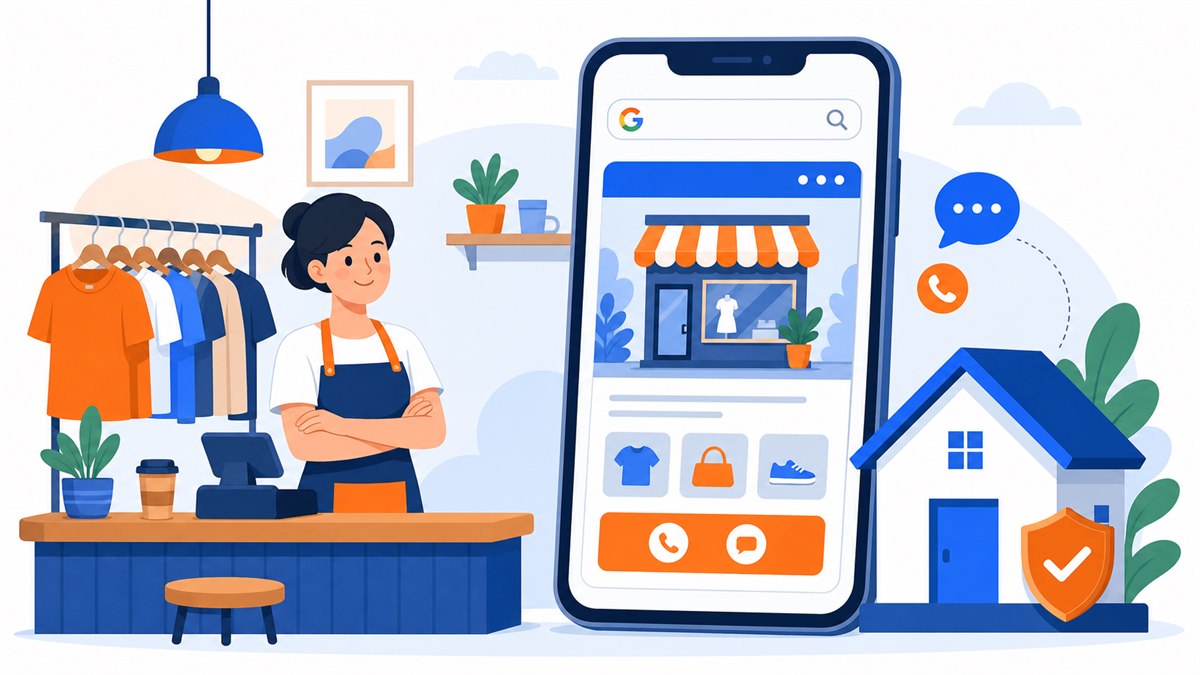
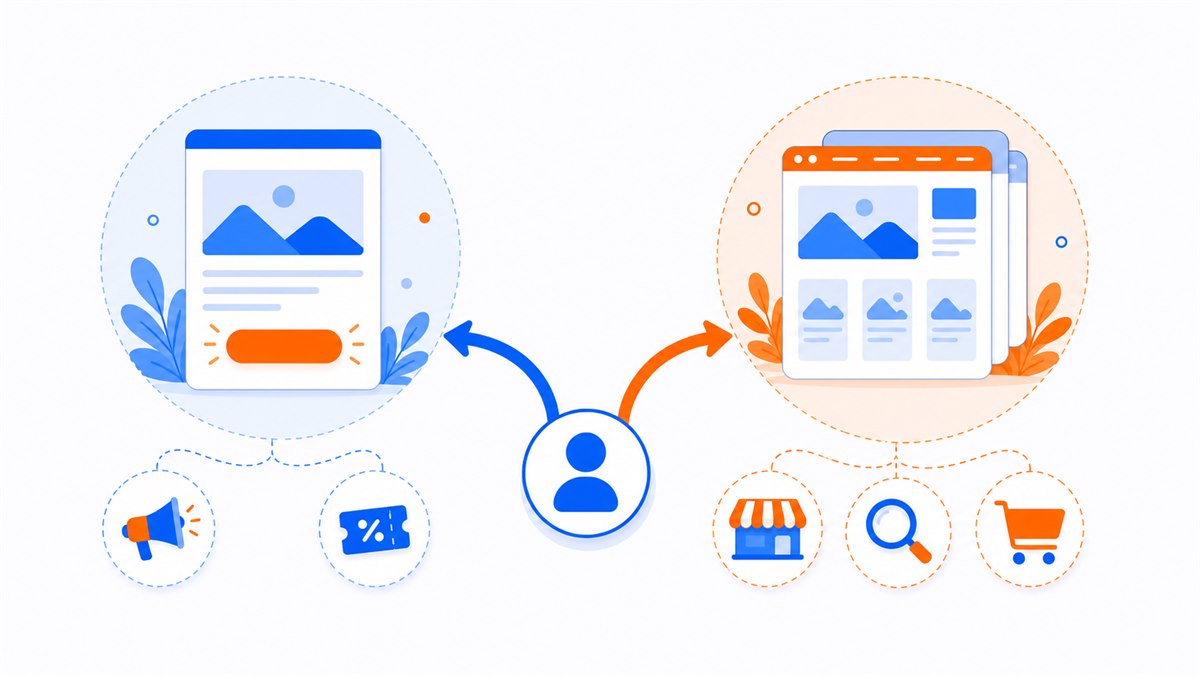
A website is your full home on the internet. It has multiple pages: a homepage, an about page, a list of products or services, news, and a contact page. Visitors can move from page to page, explore everything, and decide in their own time.
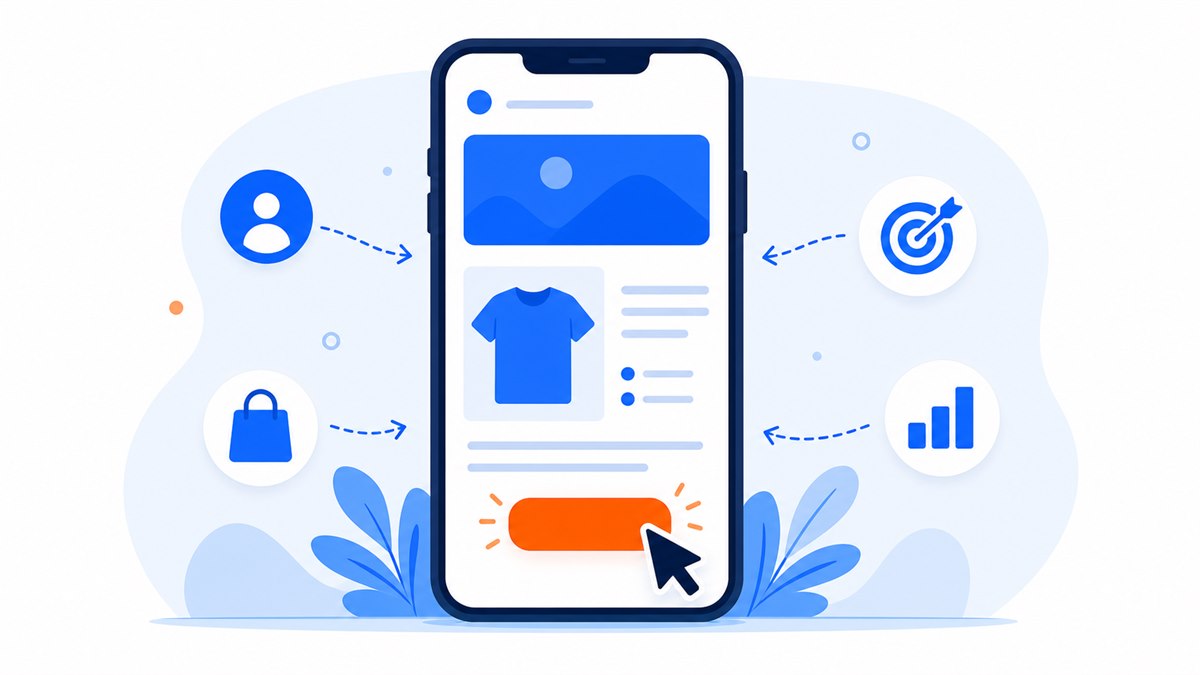
A landing page is a single page built for one specific goal. A visitor taps an ad, lands on that page ("landing" is the literal meaning), reads straight down from top to bottom, then taps the buy button, calls, or fills out a form. No cluttered nav menu. No side roads.
Think of it this way: a website is like a store with multiple departments; a landing page is a pop-up counter right at the entrance showing one item on sale with a big "Buy today" sign. If you want to nail the concept first, read What Is a Landing Page? A Plain-English Guide for Beginners.
Landing page vs. website: one action or many things?
This is the root difference. Get this right and you've got most of the answer.
A landing page asks for one action. A spa running an ad for a $9 skincare package builds a page entirely around that one thing: before-and-after photos, a few lines from past clients, the price, and a "Book now" button repeated a couple of times. Nothing else pulls the visitor away.
A website handles many jobs at once: introducing the business, showing the full menu, posting promotions, and letting visitors look up the address and hours. A pho restaurant with a full website lets new visitors browse the menu, prices, branches, and reviews before they pick up the phone.
A landing page asks visitors one question. A website tells the whole story. The more goals a page tries to serve, the more the conversion rate gets diluted.
Because it stays focused on one thing, a landing page almost always converts better when tied to an ad campaign. To go deeper on this, see conversion rate optimization for landing pages.
Structural differences and how each guides visitors
Different goals mean different construction.
Websites have navigation menus; landing pages don't
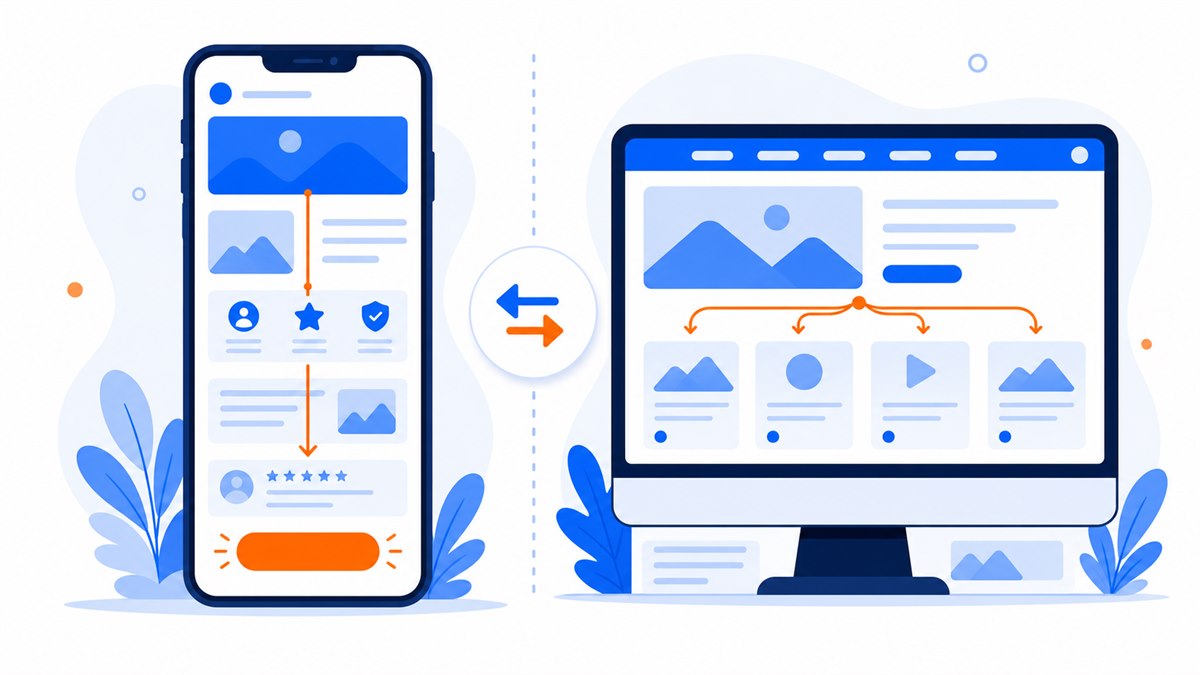
A website always has a navigation bar so visitors can jump between pages: Home, Products, About, Contact. A landing page deliberately drops the menu — or trims it to almost nothing — so visitors have no exit route except to keep reading and tap the button.
Landing pages are built to be read top to bottom
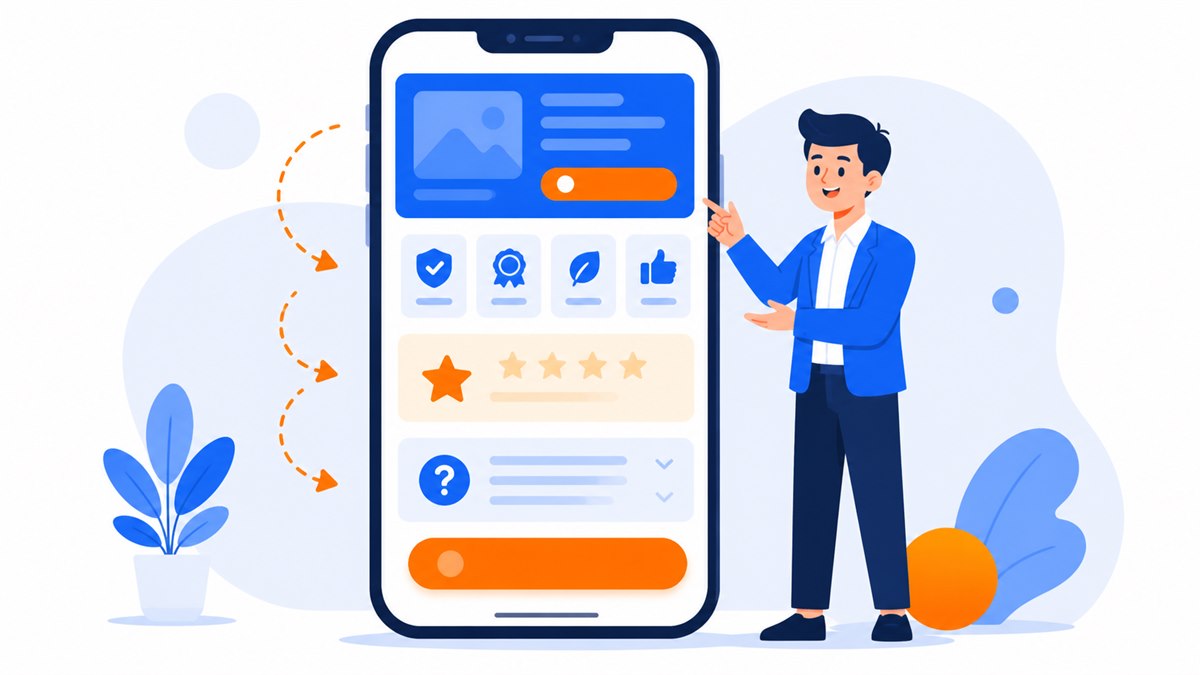
A sales landing page follows a clear sequence: a grabbing headline, something that speaks to the visitor's problem, the product introduction, proof (real photos, reviews), pricing, then the call-to-action. That sequence follows a proven formula — see the structure of a high-converting sales landing page for the details.
- Website: multiple pages with a nav menu; visitors browse freely; built for long-term discovery.
- Landing page: a single page with little or no menu; leads visitors toward one button.
- Website: content stays live for visitors to find on Google at any time.
- Landing page: content is tied to a campaign or a specific product; can be taken down when the campaign ends.
When to build a landing page, when to build a full website
This is the most important question. Here's how I think about it in practical situations.
Build a landing page when...
- You're running Facebook or Google ads and want visitors to buy or leave their number immediately. See how in building a landing page for Facebook and Google ads.
- You're launching one product or a single promotion — a course about to open, a holiday bundle.
- You need a simple page to capture leads, such as a consultation sign-up or appointment booking form.
- You want to go live fast on a tight budget without telling the full brand story yet.
Build a full website when...
- You have multiple products or services that visitors need to browse and compare.
- You want customers to find you on Google long-term — read articles, check the address, see your hours.
- You need a polished presence for partners or larger clients who look you up before getting in touch. Why this matters: why small businesses need a website.
- You sell through a cart and checkout flow rather than a single product.
Can you use both at the same time?
Yes, and that's actually the smart move. The two aren't mutually exclusive — they complement each other.
The common setup: you have a website as your permanent home base, the main face of the business that customers find on Google. Whenever you run an ad campaign or launch a new product, you build a separate landing page and point the ad directly at it. When the campaign ends, the landing page comes down; the website keeps running.
Example: a bakery has a website showing all its products, three locations, and an online order option. When the Mid-Autumn Festival approaches, they build a separate landing page — "Order mooncakes early, 20% off" — and run ads to exactly that page. Visitors aren't lost among hundreds of baked goods; they see the mooncake bundle and the order button.
Whether you're using one or both, make sure to add a tap-to-call button, Zalo, and Messenger so customers can close quickly. How to set those up: integrating Zalo, Messenger, and a contact form to close orders faster.
Quick recommendations by business type
Here's a fast guide for the types of businesses I see most often.
- Restaurants and cafes: a small website works best (menu, address, hours, table booking) because customers search on Google Maps. Add a landing page when you run a promotion.
- Clothing and beauty shops: if you carry a wide range, you need a site with a product catalog. If you're pushing a single collection for a season, a landing page is enough.
- Spas, clinics, and hair salons: landing pages work really well for advertising individual service packages. Add a website to build long-term brand trust.
- Courses and consulting services: a lead-capture landing page is the top choice — the only goal is getting the visitor's details.
- Businesses and distributors: a full website is the right call for a polished presence that partners can look up.
One thing applies to everything: whichever you build, it must load fast and look great on a phone, because most customers in Vietnam browse on mobile and typically leave if a page takes more than about 3 seconds.
Frequently asked questions
What's the core difference between a landing page and a website?
The goal. A landing page is a single page that pushes visitors toward one action — buying or leaving their number. A website is multiple pages that let visitors learn about the full business before deciding.
I'm opening a small shop. Should I start with a landing page or a website?
If you want to run ads to sell one product or one service package, build a landing page first — it's faster and cheaper. If you want customers to find you on Google and see everything you offer over time, go with a website.
Can a landing page show up on Google?
Yes, but landing pages are typically built for ads rather than organic search, so they carry less content than a website. If your main goal is to be found naturally through search, a full multi-page website will serve you better.
Do I need a whole website if I only sell one product?
Not necessarily. A well-built landing page is enough to close orders for a single product or service. You can always move to a full website later if your catalog grows.
Can I run a landing page and a website at the same time?
Yes, and it's recommended. The website is your permanent foundation; for each new ad campaign or product launch you build a separate landing page tied to that campaign. The two work well together.
Need a professional website or landing page?
Web Trong Ngày delivers in 24 hours, all-in for $40 — preview the demo first, pay only when you are happy, own it for life.