Is Selling on Facebook Enough? Website vs. Facebook Page
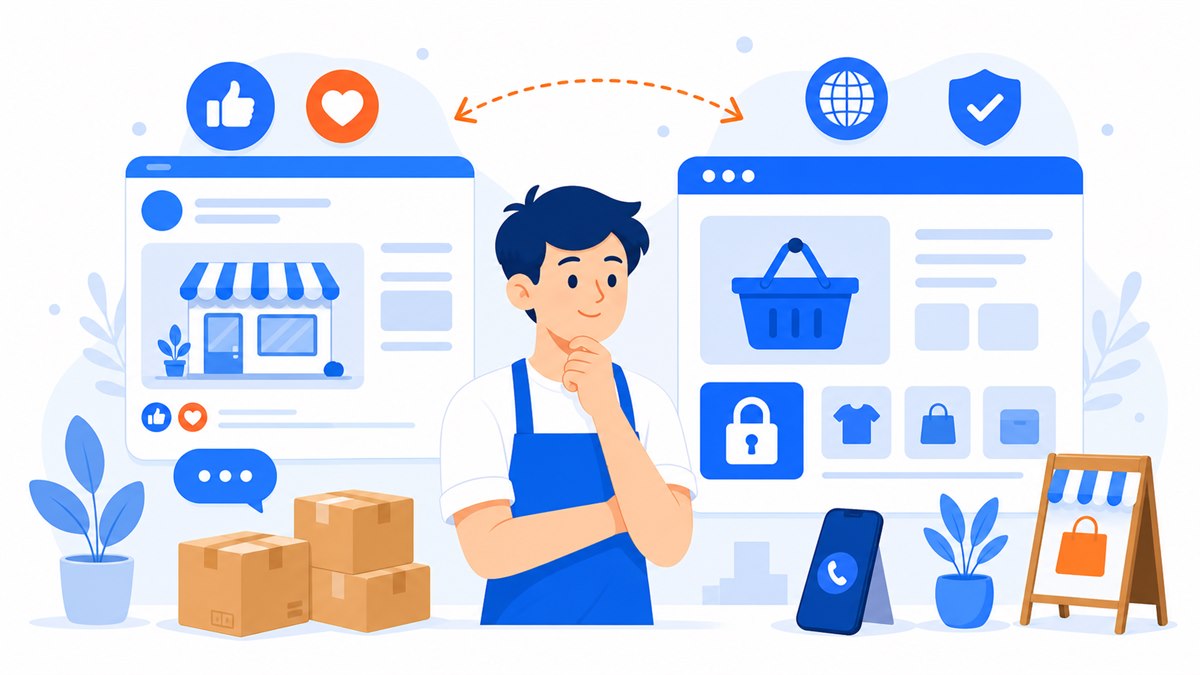
- A Facebook page excels at reaching and chatting with people already on Facebook — but it's a rented channel, not one you own.
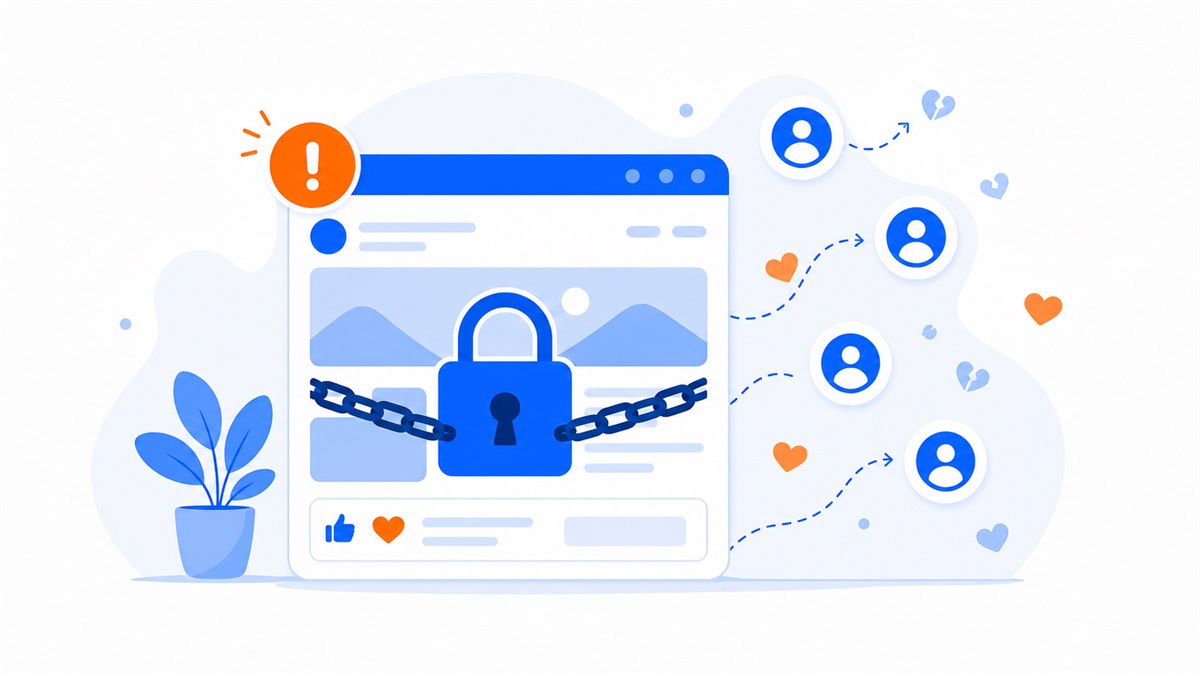
- Relying only on a Facebook page is a real risk: a locked page, a hacked account, or an algorithm change can wipe out years of accumulated followers overnight.
- A website is an asset in your name — it captures customers searching on Google and builds trust with careful buyers before they spend money.
- Don't pick one over the other: combine a Facebook page to attract customers, a website to close and store information, and Zalo to follow up and resell.
- New sellers should keep the page running, add a lean website with call and Zalo buttons, list on Google Maps, and link all three channels together.
"Should I use a website or a Facebook page?" is actually the wrong question from the start. If you're selling clothes, cosmetics or food on Facebook and orders keep coming in, you don't need to ditch the page. The real issue is that when you rely on a Facebook page alone, you're standing on rented land — and the landlord is Facebook.
You don't have to leave Facebook. This article looks at where a Facebook page is strong, where it falls short, and what a website adds to reduce your exposure when your page gets restricted or the algorithm shifts.
Where is a Facebook page actually strong?
To be fair: a Facebook page is an excellent sales tool, and plenty of shops run profitably for years on one page alone. Ignoring that would be dishonest.
- Built-in audience. Vietnamese users open Facebook every day, so your posts appear in front of them without anyone having to search.
- Instant conversation. A customer comments "how much?" and you reply, close the order through a message in minutes. A takeaway noodle shop can post a hot photo and have orders rolling in.
- Natural word of mouth. Regulars tag friends, share posts, go live. A standalone website can't replicate this on its own.
- Free to start. Set up a page in minutes, post right away — perfect if you're not ready to invest money yet.
In short, a Facebook page is at its best for reaching and chatting with people already scrolling Facebook. That's its home turf.
What is the biggest risk of relying only on a Facebook page?
The price of "free" is that you don't fully control the channel. Every follower, post, and review you've built lives on Facebook's system, and they can change the rules at any time.
When your page gets locked or restricted
It's not rare for a thriving sales page to suddenly be locked, restricted, or hacked and renamed overnight. When that happens you can lose access to your followers, message history, and years of accumulated reviews — at least until the issue is resolved. A cosmetics shop that spent three years building 30,000 followers could face a long road to recovery or have to start a new channel from scratch.
When the algorithm changes, your reach shrinks
Facebook constantly tweaks how it shows content. A post that reached 5,000 people today might reach only a few hundred next month with the same content — unless you pay for ads. You have no control over this, and organic reach has been narrowing over time.
Building your whole business on a Facebook page is like opening a shop inside a mall where the building owner can rewrite the operating rules whenever they feel like it.
This is exactly where the website-vs-Facebook-page question becomes clear: a Facebook page is a rented channel, while a website is an asset in your own name.
How does a website support a Facebook page?
Don't think of a website as a replacement for your Facebook page. Think of it as your permanent home base, while the page is the sign out front that pulls people in. They do two different jobs.
- A permanent place for complete information. Prices, product photos, return policy, address — all in one spot, available any time. Facebook posts drift off the feed within days.
- An asset you actually own. Your domain and source code belong to you. Whatever happens to Facebook, your website stays up and customers can still reach you.
- A destination for your ads. Running ads to a focused, on-topic page typically converts better than sending people to a busy Facebook page. You can read more in how to build a landing page for Facebook and Google ads.
- Your own contact database. Sign-up forms, phone numbers, email addresses left on your site are data you own — not dependent on whether Facebook lets you message people back.
Put simply: the Facebook page brings people in, the website keeps them there and closes the sale properly. For a deeper look at why even a small shop benefits from having its own place, see why small businesses and sole traders need a website.
How do search visibility and customer trust change once you have a website?
There are two groups of customers a Facebook page can't reach — but a website can.
People who search on Google
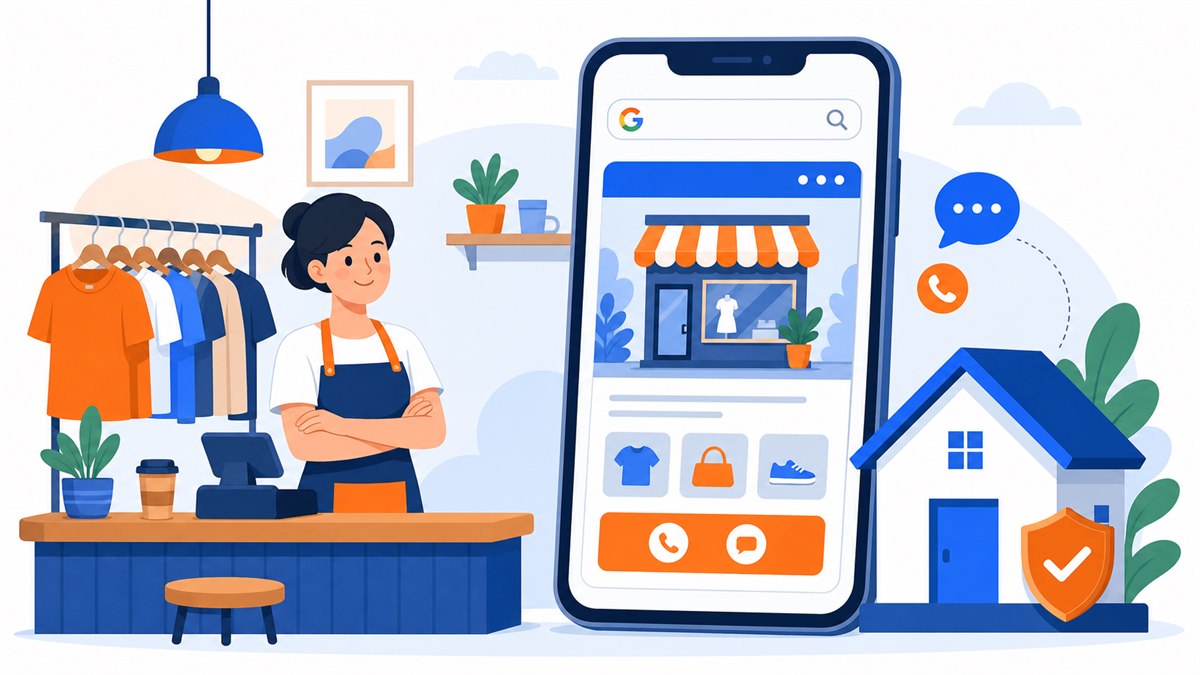
When someone types "hair wash spa in District 7" or "curtain maker in Da Nang," they're ready to buy right now. They're not scrolling Facebook waiting for your post to appear — they're on Google. Without a website, you're invisible to an entire group of customers who are actively looking for exactly what you sell.
Careful buyers who want to check before paying
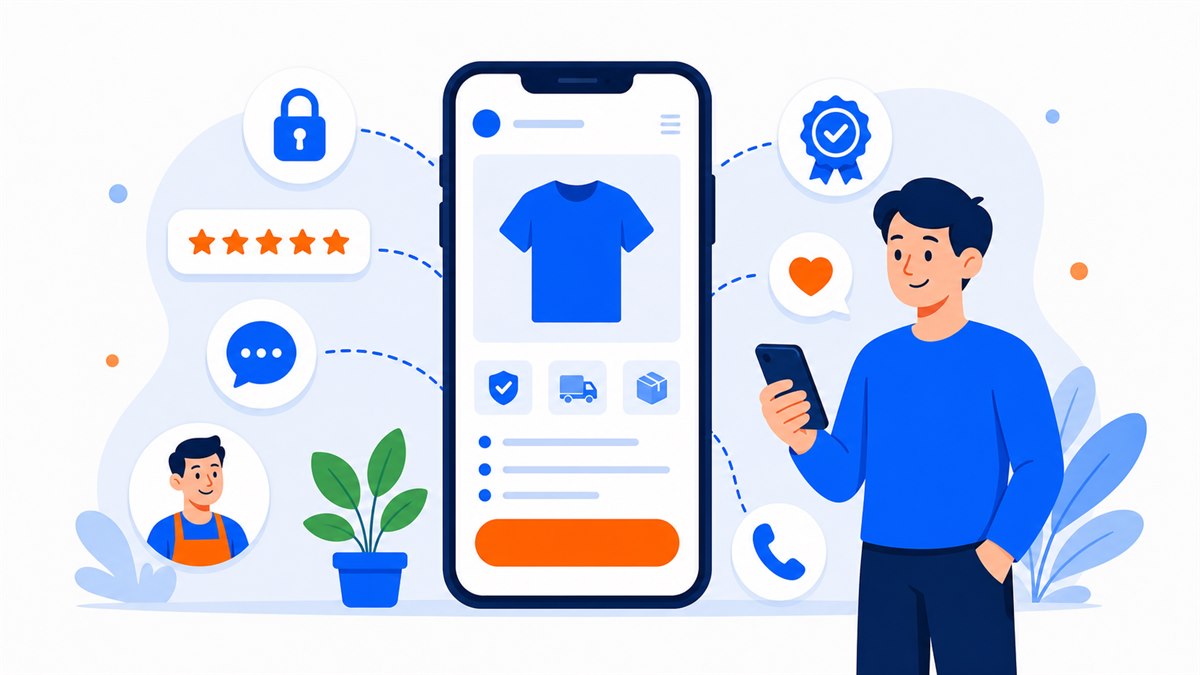
For higher-ticket items like furniture, courses, or beauty treatments costing over $100, customers often hesitate when a seller only has a Facebook page. A dedicated website with a .com domain and https padlock sends the signal: "This is a real business with a clear address."
How do you combine a Facebook page, a website, and Zalo into one closed loop?
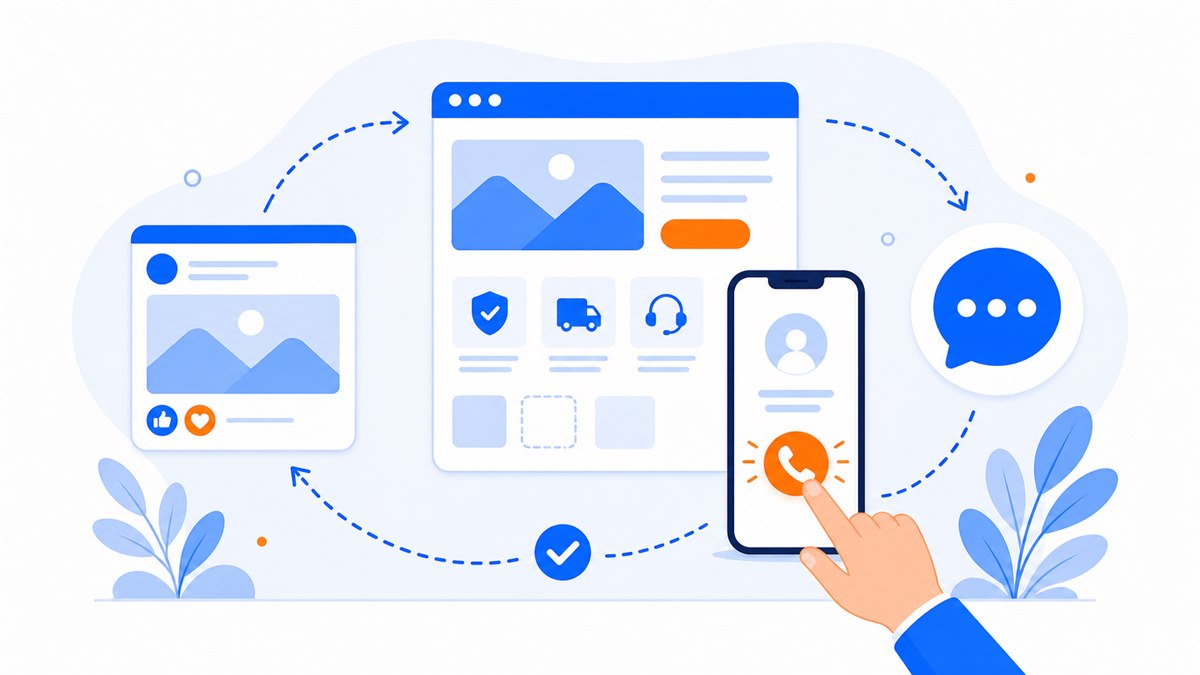
The best trio for sellers in Vietnam is a Facebook page to attract customers, a website to close and capture information, and Zalo to follow up and resell. Each one handles a different leg of the buyer's journey.
- The Facebook page posts content, goes live, and runs ads so people discover you.
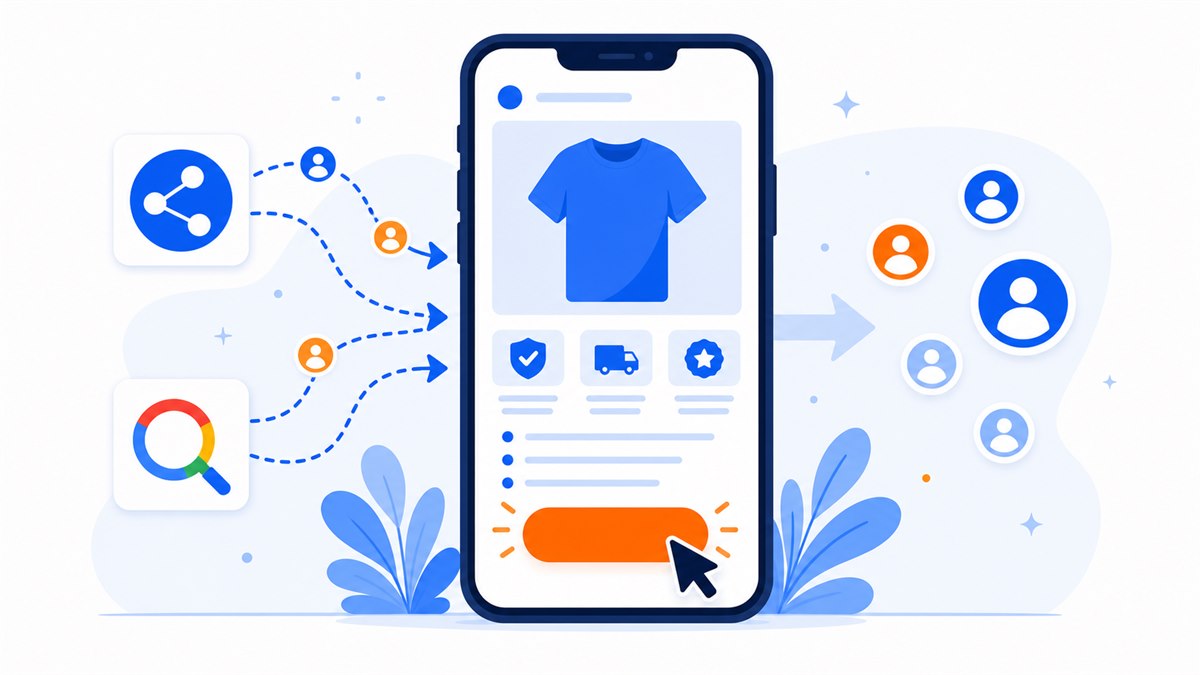
- The website receives visitors from the page and from Google, presents your products fully, and puts a call button and contact form within easy reach.
- Zalo and Messenger let customers ask quick questions, while you save their numbers, send reminders, and offer deals to returning buyers.
The key is that your website must have a tap-to-call button, a Zalo button, and a Messenger button visible right on the phone screen, so a customer can reach you with one tap. For a step-by-step on setting these up to close orders faster, see how to integrate Zalo, Messenger, and a form to close orders quickly.
What order should a newcomer follow?
If you only have a Facebook page right now and aren't sure where to start, here's the sequence that works well for shop owners, small restaurants, and spas.
- Keep the Facebook page running exactly as it is. Don't stop what's already making money.
- Build a lean website as your home base. A brief about page, a price list, real photos, a call button and a Zalo button is enough to go live. You don't need a shopping cart yet if you're still closing through messages.
- Add your address to Google Maps so nearby customers can find you.
- Connect the channels. Put your website link in the Facebook page bio, add the Zalo button to your site, and route ads to the website instead of only to the page.
Many people hesitate because they assume a website costs hundreds of dollars and takes a week. The market does typically quote around $80 to $200 with a 3-to-5-day wait, or invite you onto a drag-and-drop platform at $8 to $36 a month — but when you stop paying, the page usually goes offline or gets restricted, which brings you right back to the same "rented land" risk as the Facebook page.
If you do add a website, prioritize one that comes with a custom domain, https security, mobile optimization, call and Zalo and Messenger buttons, a contact form, and clear ownership. Keep the Facebook page for pulling in customers, and let the website hold your permanent information so customers can check and reach you any time.
Don't choose between a website and a Facebook page. Keep the page to bring people in, and add a website in your own name for a stable, always-on contact channel.
Frequently asked questions
I'm already selling well on my Facebook page — do I still need a website?
Yes, but not to replace the page — to support it. The page helps you attract and chat with customers, while a website is an asset in your own name that keeps working when Facebook changes its algorithm or locks your page. Keep the page and add a lean website for the safest setup.
Is building a website difficult or expensive?
Not necessarily. The market usually quotes around $80 to $200 with a 3-to-5-day turnaround, but what matters is whether the price includes a custom domain, hosting, SSL, mobile optimization, contact buttons, and source-code ownership.
If I have a website, do I still need Zalo and Messenger?
Yes. The website presents your full offering and closes sales, while Zalo and Messenger let customers ask quick questions and let you follow up and resell to returning buyers. The best approach is to embed these buttons directly on the website so customers can message you with one tap.
Most Vietnamese customers use phones — will a website display properly?
It will, as long as it's built mobile-first. Most visitors arrive on a phone, so the page must load within a few seconds and have large, thumb-friendly call and Zalo buttons. A properly mobile-optimized site holds customers far better than a desktop-first one.
Need a professional website or landing page?
Web Trong Ngày delivers in 24 hours, all-in for $40 — preview the demo first, pay only when you are happy, own it for life.